Meet the Winners 2026
The winners of the 2026 ABSW Awards were announced at a ceremony held on Wednesday, 24 June 2026

With thanks to The Association of the British Pharmaceutical Industry who continue to provide support through the Newcomer of the Year Award
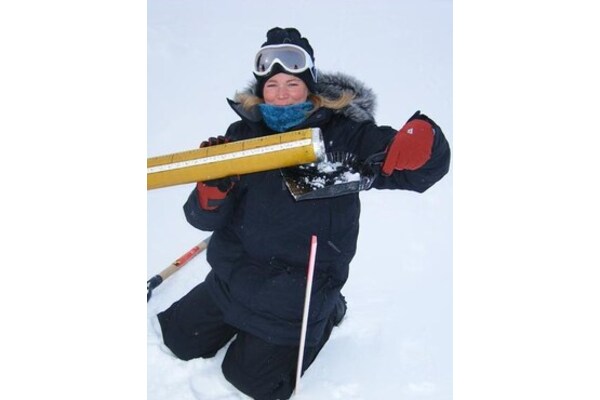
With thanks to the Dr Katharine Giles Fund who continue to support the Dr Katharine Giles Award
With thanks to The Royal Society who continue to support The Royal Society Audio Award.
With thanks to AlphaGalileo media partner for the ABSW Awards 2026.
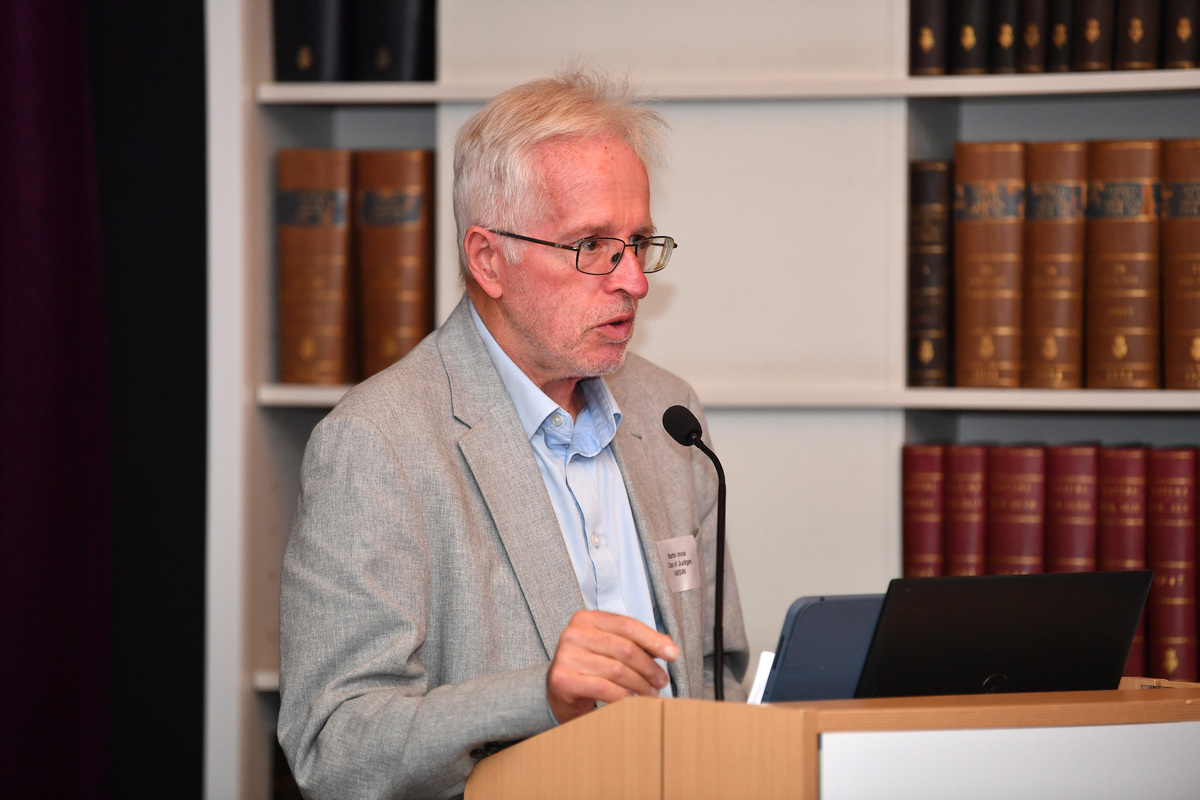
Picture: Martin Ince speaking at the awards ceremony in 2025
Martin Ince a former Chair of the ABSW, and Freelance Science and Education Writer received the ABSW’s most prestigious award - the Lifetime Achievement Award - for his lifelong career in journalism, and his invaluable contributions to the ABSW.
Aisling Irwin, Board Member, and herself an award-winning journalist, introduced the Award and outlined Martin’s many achievements, from saving the ABSW from ‘financial ruin’ through to co-founding the World University Rankings.
Martin was finance director of the World Conference of Science Journalists hosted by the ABSW in London in 2009. Hosting the Conference was a high-risk strategy to save the ABSW by turning a profit. With Martin’s expert guidance the Conference did exactly this and gave the ABSW the financial security it so desperately needed.
Aisling also praised Martin’s prolific output of books and his writings on the politics of British science and technology.
One of his contemporaries said Martin’s mind is “a huge filing cabinet full of knowledge”, with a particular expertise in Astronomy.
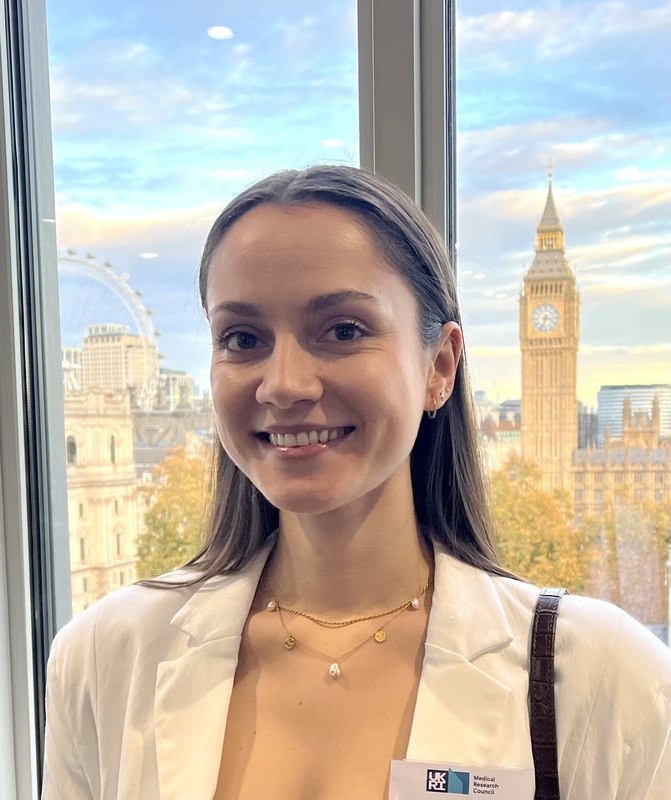
Vanessa Drevenakova, PhD student, Imperial College London
Good vibrations could nudge our ageing brain cells back into their youthful groove, The Observer
An uplifting example of science bringing hope for the future. Her enthusiasm drives a compelling story, and her uncomplicated style educates with a light touch. By the end of the article, we have learned more than could be expected about cell biology, a niche technology, and a determination to improve our lives one person at a time.
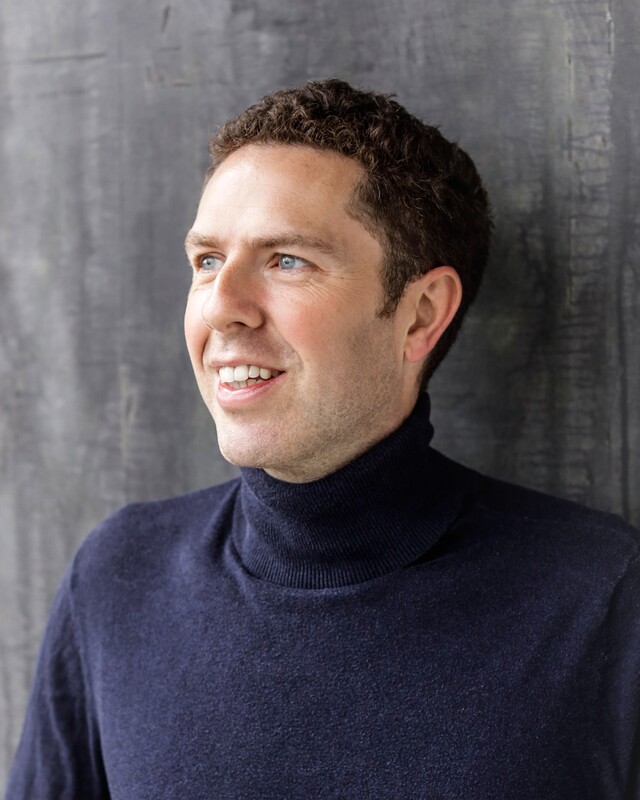
David Robson, Why honing your sense of smell could keep you sharp as you age, New Scientist
This piece on olfactory dysfunction stood out for its elegant, accessible writing on a genuinely emerging area of science. Brought vividly to life through rich sensory description, it lingers in the mind long after reading, and tells us things we simply didn't know in a beautiful way.

Margaret Harris, The physics Nobel prizes you've never heard of, Physics World
A refreshing angle to Nobel prize reporting. It was an eye-opener, told a great story and gave some deep historical context to the murky world of who wins the Nobels and why.
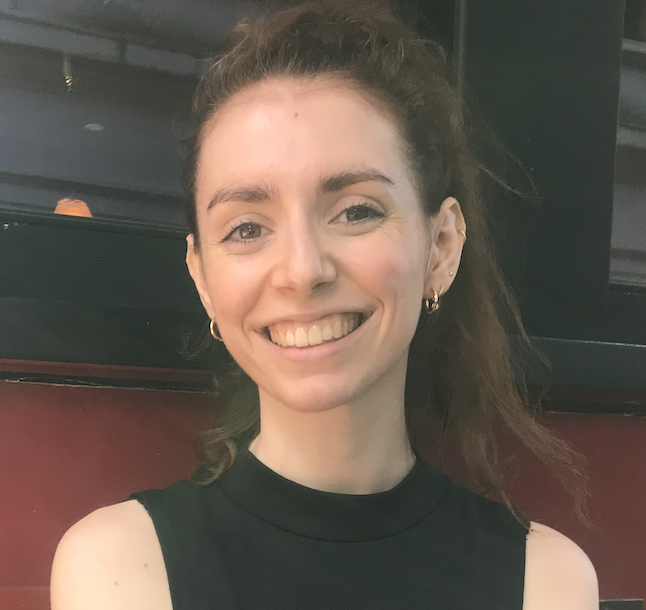
Sophie Berdugo, Staff Writer, Live Science
Scientists claim 'Lucy' may not be our direct ancestor after all, stoking fierce debate, Live Science
'Puzzling' object discovered by James Webb telescope may be the earliest known galaxy in the universe, Live Science
Sophie’s career shows a strong early trajectory with work that is well-targeted at the intended audience.
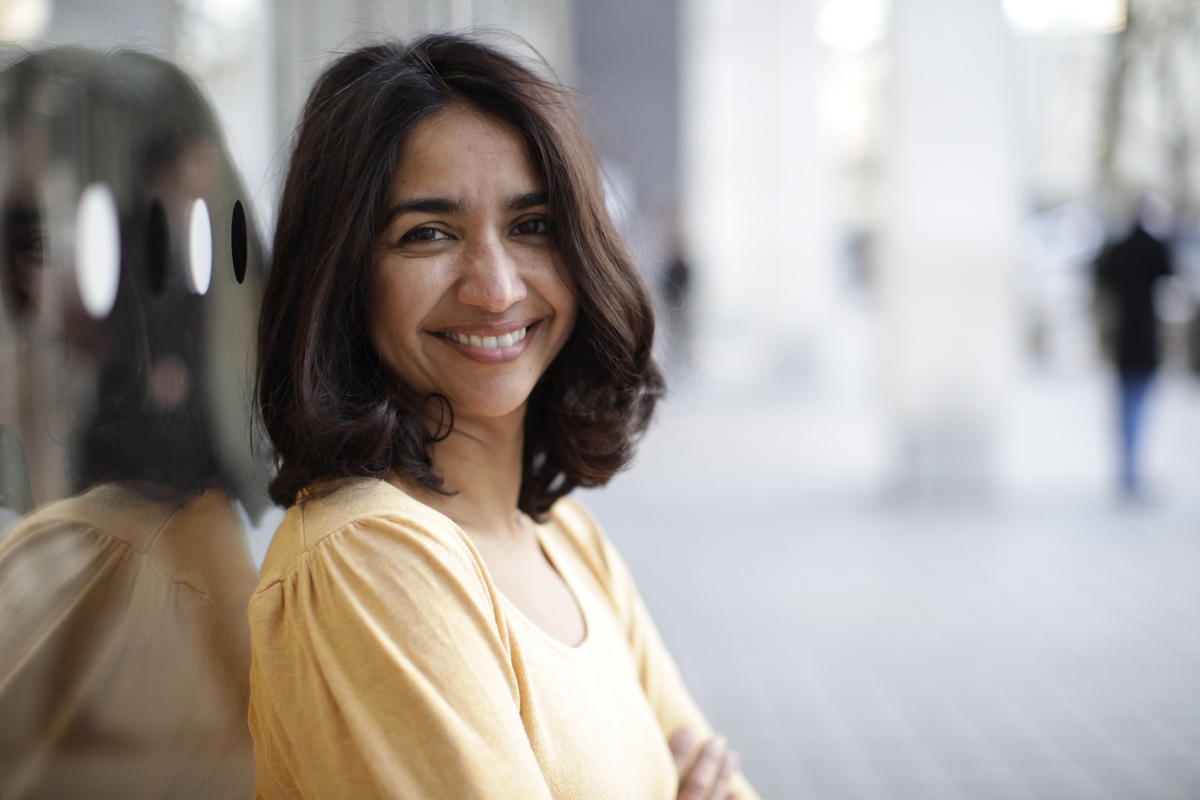
Anjana Ahuja, The Science of Starvation, Financial Times
A measured, sobering look at studies since the 1940s investigating the effects of starvation on the human body, published as Gaza was on the brink of famine.
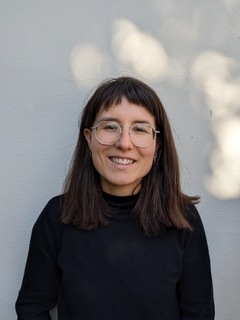
Clare Carlile (pictured right), Ellie O'Donnell & Crispin Dowler, Staff Shortages Have Forced Major Cuts to Environment Agency Water Quality Monitoring, Internal Documents Reveal, DeSmog/Unearthed
A detailed and determined investigation resulting in a scoop that holds its subject accountable.
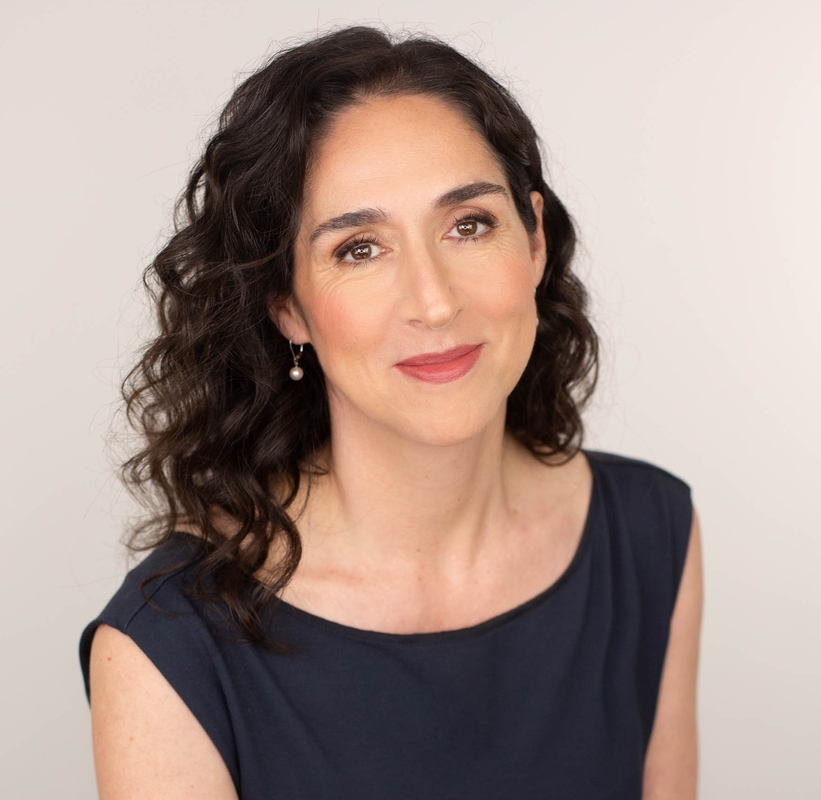
Natasha Loder, RFK’s loopy approach to vaccines endangers Americans, The Economist
Important, data-rich and cleverly crafted, this piece on RFK's vaccine policy has the potential to reach a wide readership across the political divide.
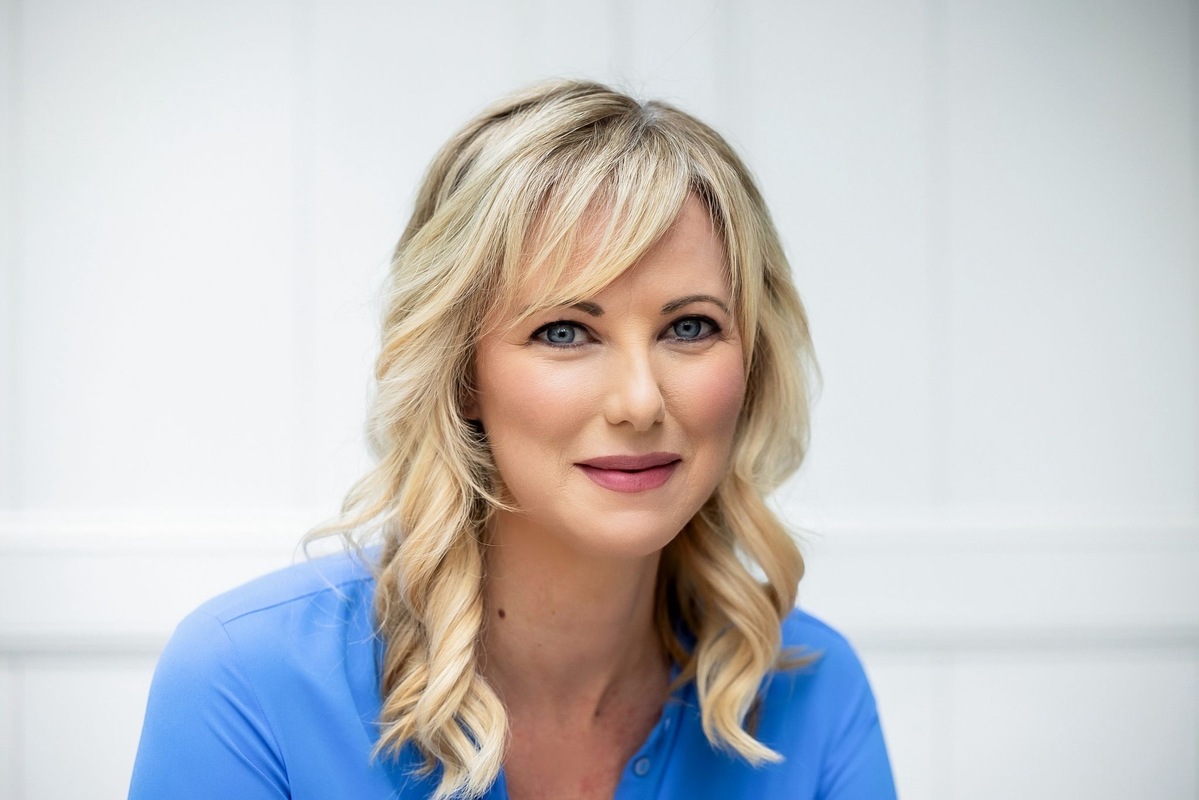
Deborah Cohen (pictured) & Margaret McCartney, Our Future Health: consent, clinical risk, and commercial influences in the UK’s largest health research programme, The BMJ
A powerful, yet balanced, investigative piece. The article probes the structure of the ‘Our Future Health’ project, the ethics of its methods of collection, and its overall transparency. Provides the reader with maximum room to take a view.
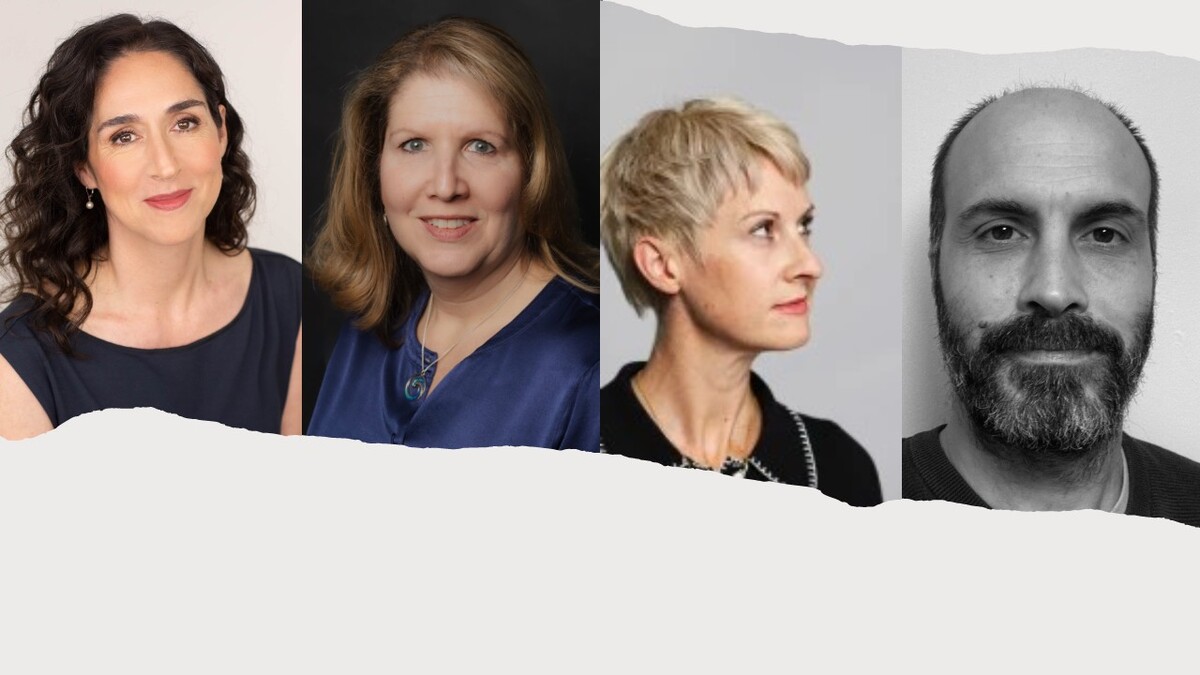
Sandra Kanthal (centre left), Natasha Loder (left), Gemma Newby (centre right) & Nico Raufast (right), Science under siege, The Economist
With great access to those directly affected, we admired the way this documentary got to the heart of the human impact of the US administration’s swingeing cuts of research funding at Harvard University.
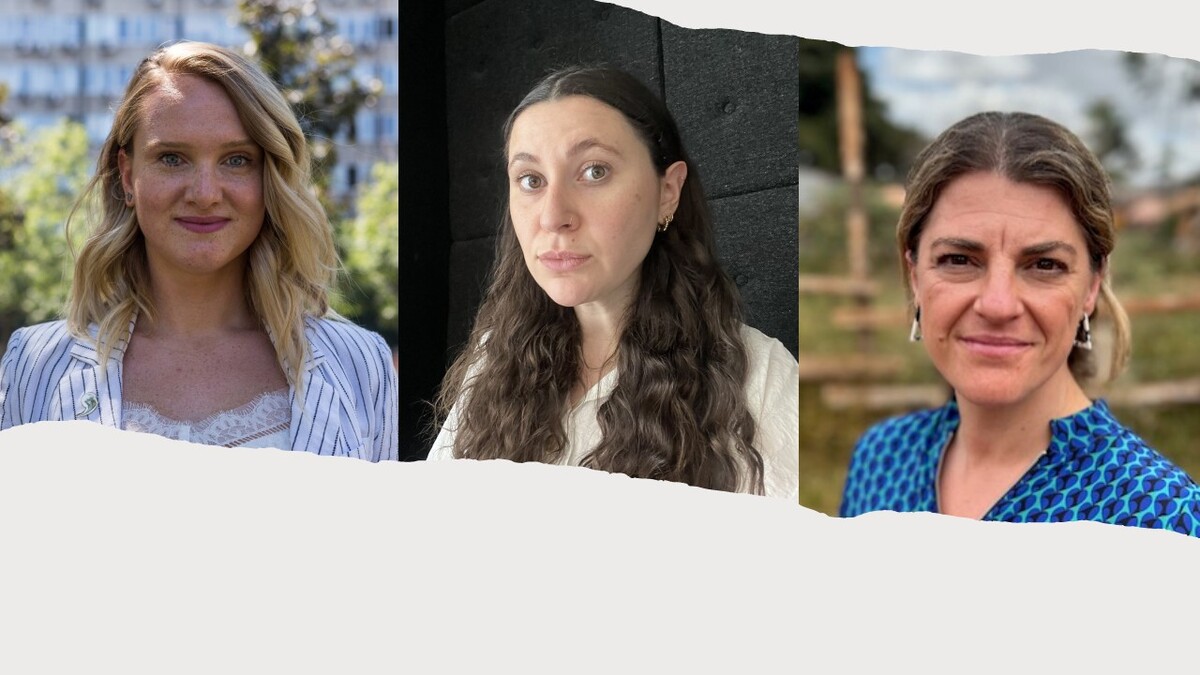
Paul Eccles, Angela Milivojevic (left), Rachel Schraer (centre) & Fiona Walker (right), The new snake oil: antivenoms that are as useless as water, TBIJ, The Guardian, El País, Mail & Guardian, The Cable (Nigeria), Tanzanian Guardian
A beautifully written, narrative piece and an in-depth investigation into an underreported problem that each year needlessly kills tens of thousands and ruins the lives of many more in the developing world. The story skilfully weaves the human impact of the lacking snake antivenom regulations with fact-based reporting. A true eye-opener.
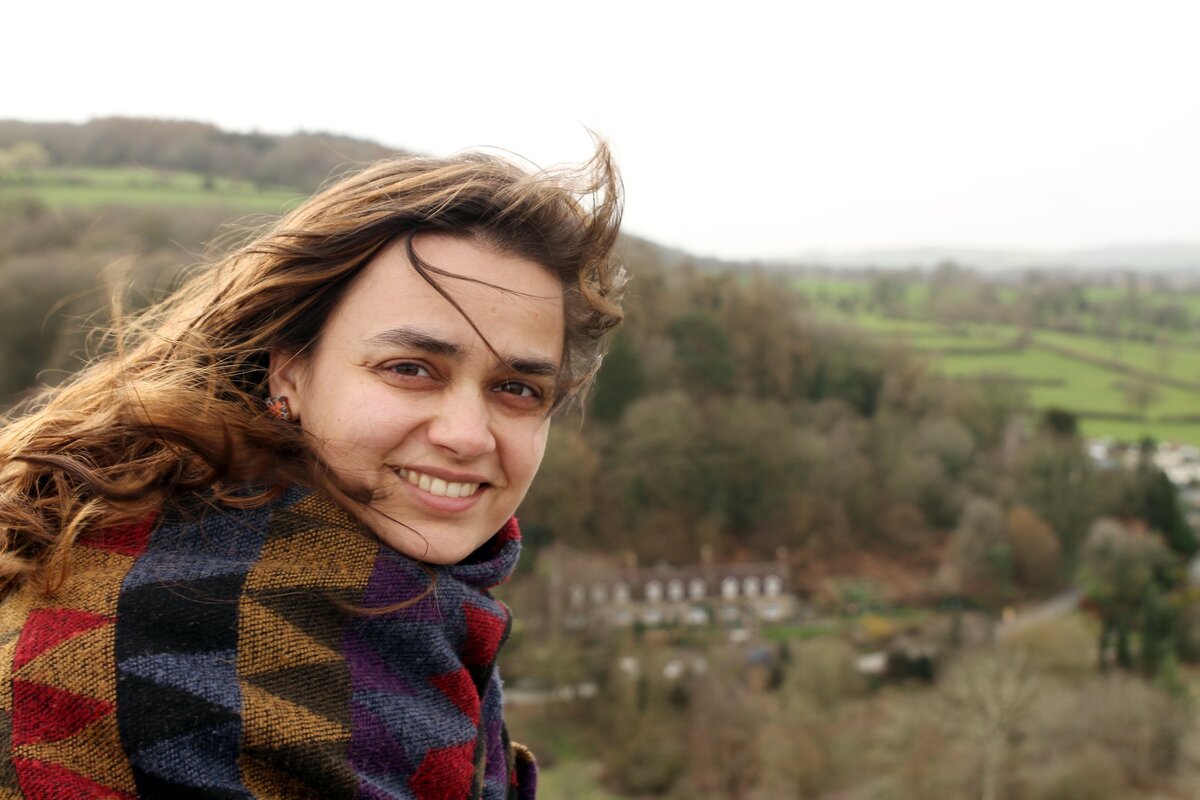
Shamini Bundell, Would ChatGPT hire you? Your age and gender matter, Nature.com/YouTube
Smart, witty and entertaining. The narrative is cleverly crafted, the graphics delightful and it’s engagingly produced. The script and presentation elevate the story with sparks of humour that entertain and reinforce its message. High production values create an approachable charm.


