Meet the finalists – ABSW Awards 2026
Who has made it to the finals in the ABSW Awards 2026?
All finalists, judges, Award sponsors and ABSW members are invited to the ABSW awards ceremony that takes place on Wednesday, 24 June 2026, at the Royal Society. Winners in all categories will be announced at the ceremony.
At a time when misinformation and disinformation are rife it has never been more important to recognise and reward accurate, independent science reporting.
The ABSW awards are a showcase for UK and Irish journalists who produce excellent science writing for every imaginable medium, in every possible format, and for every community of interest here and around the world.
For those that didn't make it as a finalist you are all commended for your contribution to science and technology journalism in 2025. I look forward to seeing your varied, vital and insightful work continue in 2026 and beyond.
Martin Ince, Chair of the Judging Panel 2026
Pictures will be added as we receive them from our finalists.
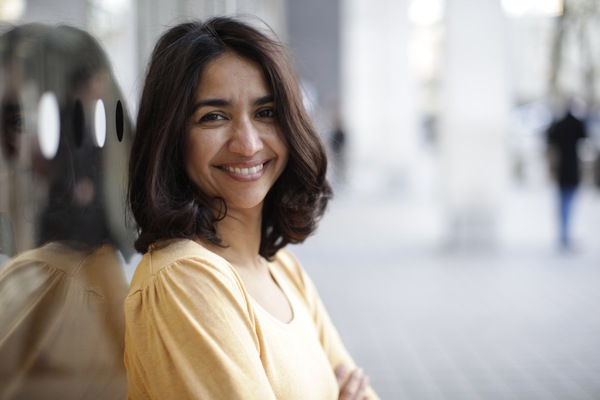
Anjana Ahuja, News Analysis of the Year
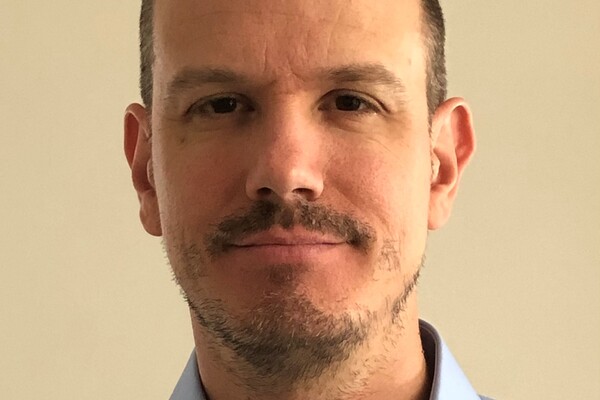
Simon Baker, Research Policy or Funding Story of the Year
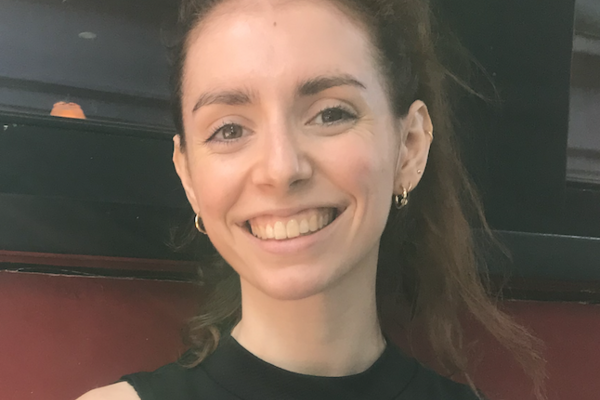
Sophie Berdugo, Newcomer of the Year
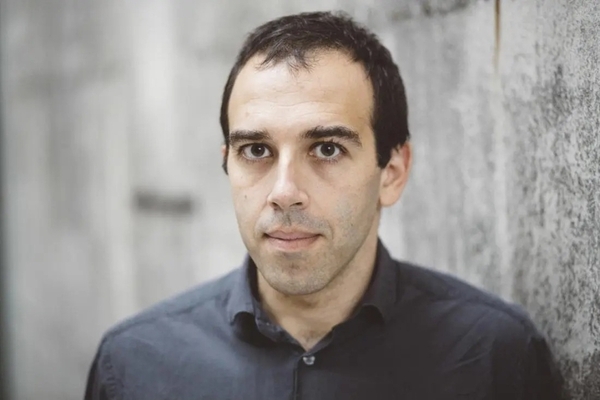
Hristio Boytchev, Steve Connor Award for investigative science journalism
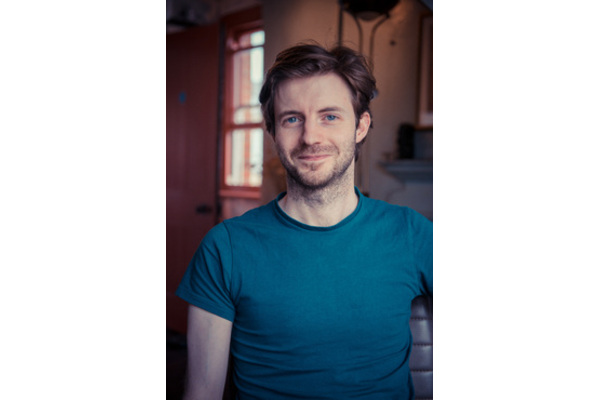
Jonathan Brodie, Video of the Year
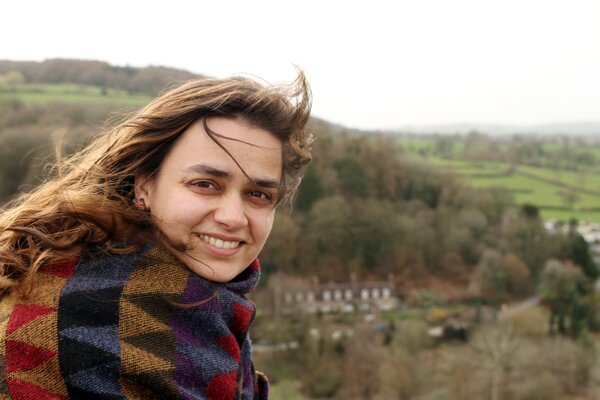
Shamini Bundell, Video of the Year
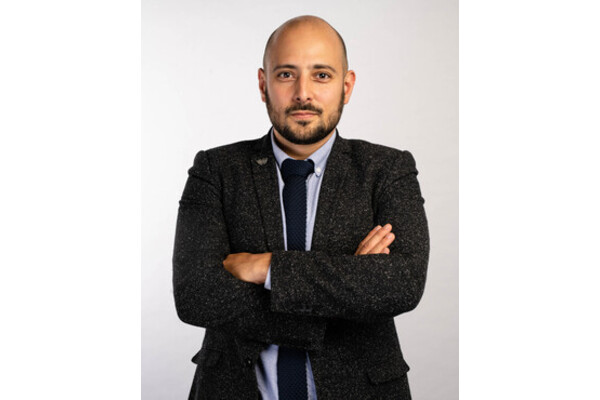
Kaya Burgess, Feature of the Year - General Audience
Clare Carlile, News Item of the Year
Alfredo Carpineti and IFLScience team, Video of the Year
Deborah Cohen, Research Policy or Funding Story of the Year
Vanessa Drevenakova, The Dr Katharine Giles Award for best new academic voice

Margaret Harris, Feature of the Year - Specialist Audience
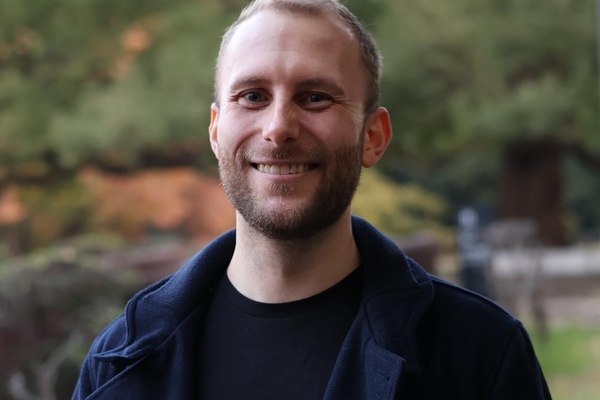
Robert Hart, News Item of the Year
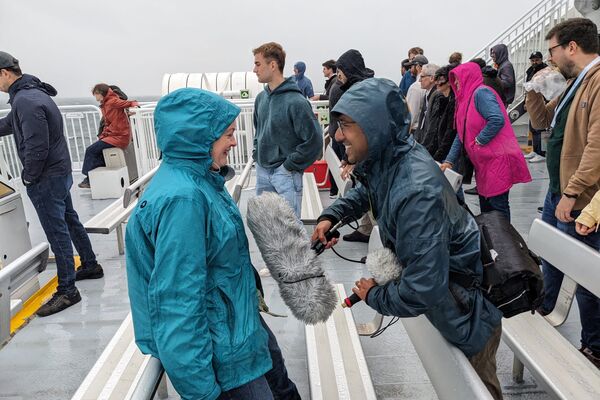
Anand Jagatia & Marnie Chesterton, Royal Society Audio Award
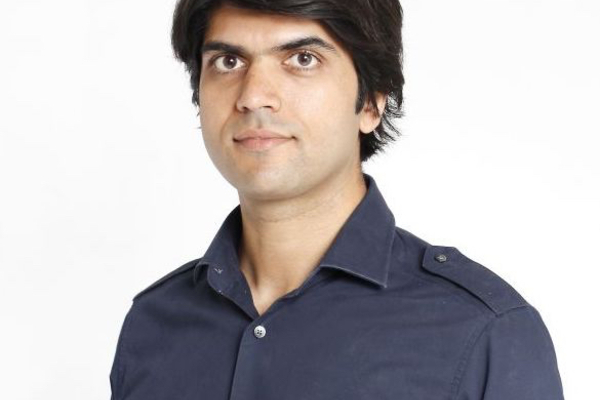
Alok Jha, Opinion Piece or Editorial of the Year

Sandra Kanthal, Royal Society Audio Award
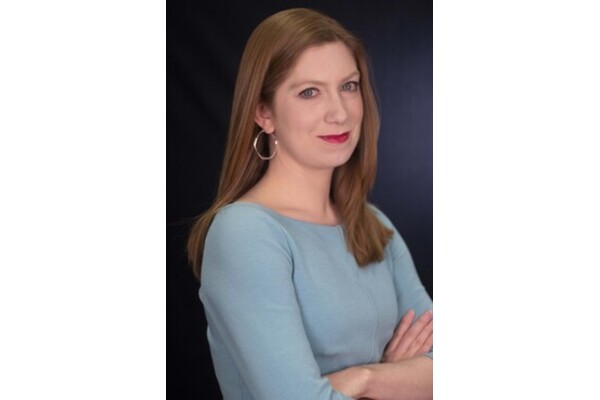
Hannah Kuchler, Research Policy or Funding Story of the Year
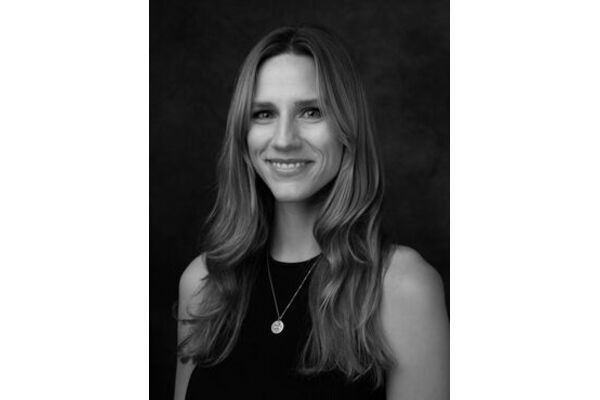
Noa Leach, Newcomer of the Year
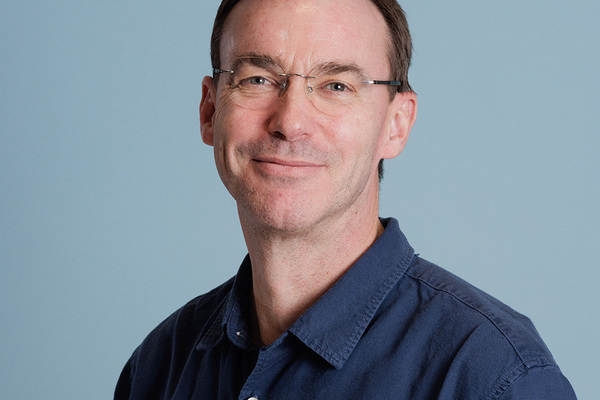
Michael Le Page, Opinion Piece or Editorial of the Year
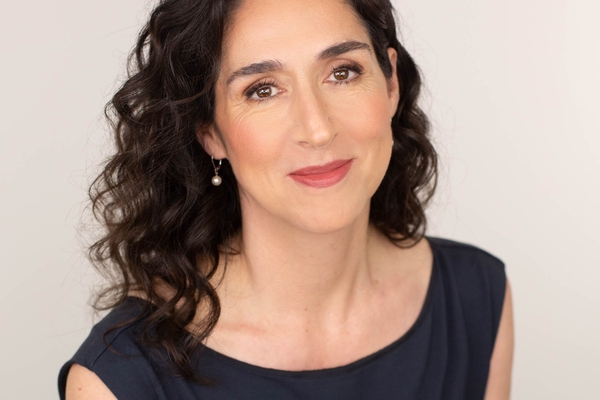
Natasha Loder, News Analysis of the Year, Opinion Piece or Editorial of the Year & Royal Society Audio Award
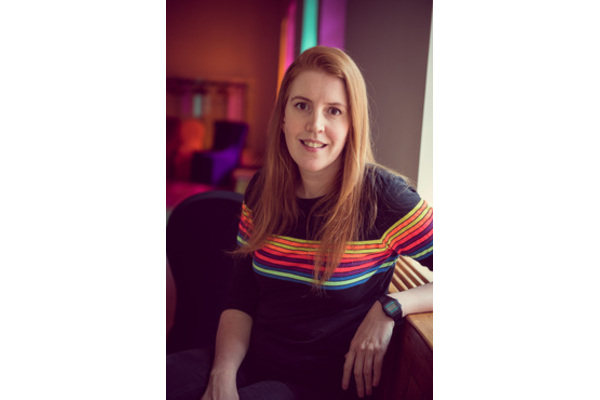
Hannah Madsen, Video of the Year
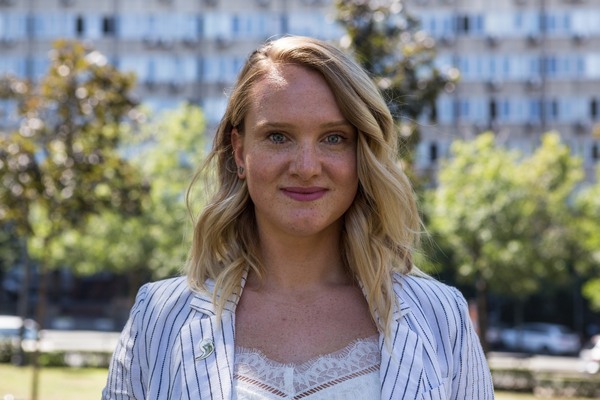
Angela Milivojevic, Steve Connor Award for Investigative Science Journalism
Gemma Newby, The Royal Society Audio Award
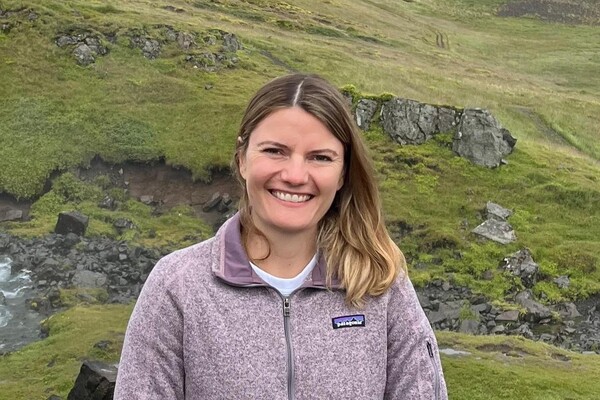
Vera Nienaber, Research Policy or Funding Story of the Year
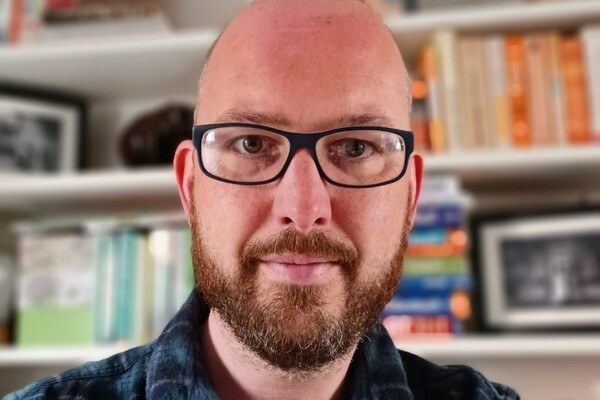
Chris Parr, Research Policy or Funding Story of the Year & Feature of the Year - Specialist Audience
Helen Pearson, Feature of the Year - Specialist of the Year
Michael Peel, Research Policy of Funding Story of the Year
Mark Peplow, News Analysis of the Year
Nico Raufast, Royal Society Audio Award
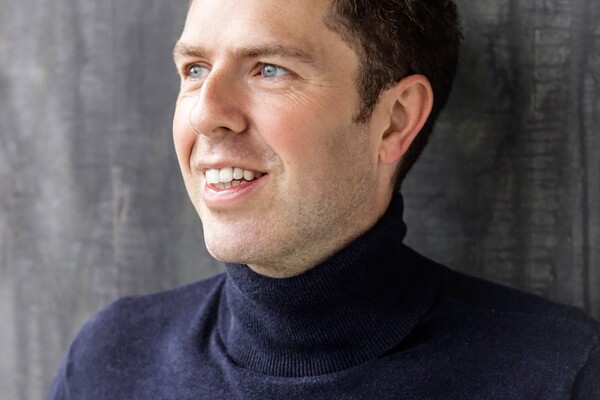
David Robson, Feature of the Year - General Audience
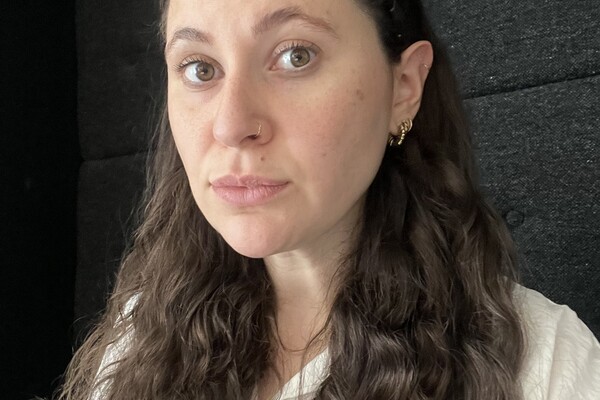
Rachel Schraer, Steve Connor Award for investigative science journalism
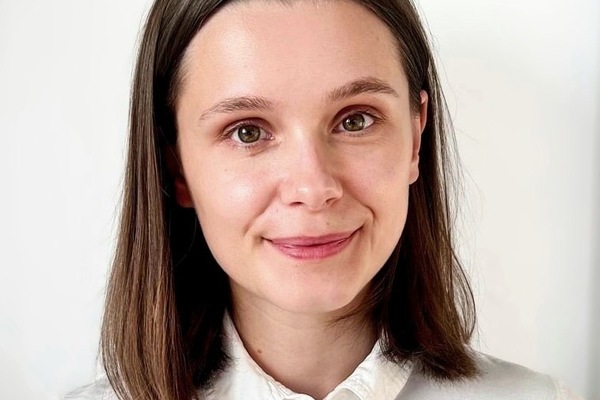
Emilie Steinmark, News Analysis of the Year
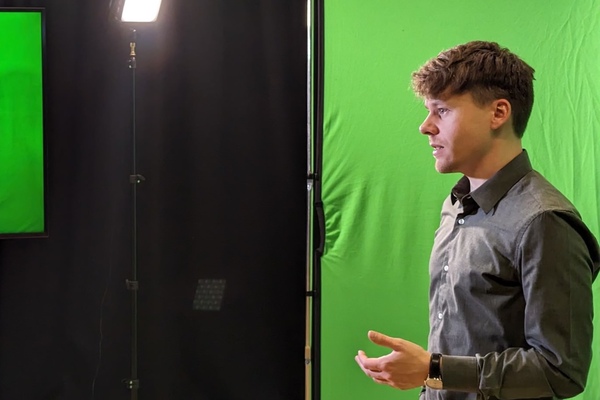
A.R.E Taylor, The Dr Katharine Giles Award for best new academic voice
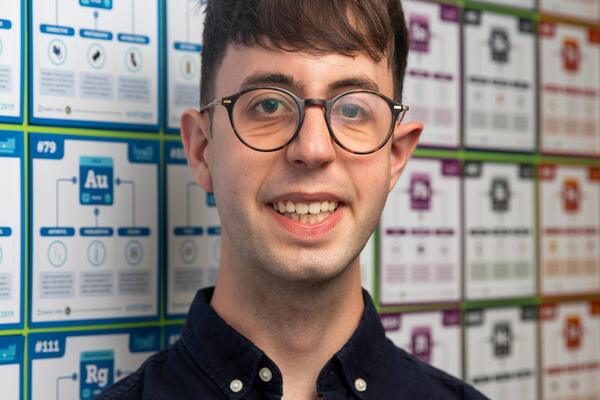
Mason Wakley, Newcomer of the Year
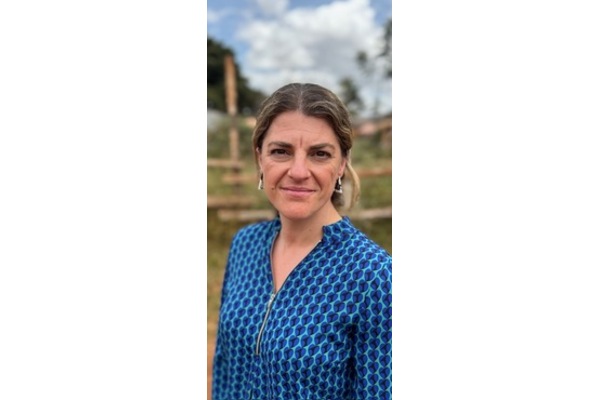
Fiona Walker, Steve Connor Award for investigative science journalism
Vanessa Drevenakova, PhD student, Imperial College London
Good vibrations could nudge our ageing brain cells back into their youthful groove, The Observer
An uplifting example of science bringing hope for the future. Her enthusiasm drives a compelling story, and her uncomplicated style educates with a light touch. By the end of the article, we have learned more than could be expected about cell biology, a niche technology, and a determination to improve our lives one person at a time.
A.R.E Taylor, Senior Lecturer in Communications, University of Exeter
Underground data fortresses: the nuclear bunkers, mines and mountains being transformed to protect our ‘new gold’ from attack, The Conversation
Built around a first-hand account of visiting a bunker in southeast England, Taylor's article deftly moves between the worlds of personal data and intergovernmental secrets. It engages us like a thriller. But it is also a cautionary tale that asks: how much control do we really have on our personal information when the custodians are commercial companies that see storing our data as a new source of income?
Kaya Burgess, The mystery of London’s Himalayan parakeets: myths v truth, The Times
With an online version that makes the reader feel like they’re discovering old newspaper clippings, this entertaining article dives into historical data from the Times archives to solve the mystery of how almost 38,000 Asian parrots ended up in London parks. A short yet satisfying story for all nature lovers.
David Robson, Why honing your sense of smell could keep you sharp as you age, New Scientist
This piece on olfactory dysfunction stood out for its elegant, accessible writing on a genuinely emerging area of science. Brought vividly to life through rich sensory description, it lingers in the mind long after reading, and tells us things we simply didn't know in a beautiful way.
Margaret Harris, The physics Nobel prizes you've never heard of, Physics World
A refreshing angle to Nobel prize reporting. It was an eye-opener, told a great story and gave some deep historical context to the murky world of who wins the Nobels and why.
Chris Parr, How Europe’s defence boom could transform research, Research Professional News
With shifting geopolitical priorities, this story took a clear-headed look at the questions European funders and researchers are grappling with.
Helen Pearson, Autism is on the rise: what’s really behind the increase? Nature
At a time when misinformation around autism was snowballing, this in-depth feature unpicked the science that some in positions of power seem determined to ignore.
The judges also wanted to commend the entry by Robert McSweeney and team from Carbon Brief for the sheer amount of work it involved: Factcheck: Trump’s climate report includes more than 100 false or misleading claims.
Sophie Berdugo, Staff Writer, Live Science
Scientists claim 'Lucy' may not be our direct ancestor after all, stoking fierce debate, Live Science
Jane Goodall revolutionized animal research, but her work had some unintended consequences. Here's what we've learned from them, Live Science
'Puzzling' object discovered by James Webb telescope may be the earliest known galaxy in the universe, Live Science
Sophie’s career shows a strong early trajectory with work that is well-targeted at the intended audience.
Noa Leach, Special Projects Editor, BBC Science Focus (Our Media)
The world's biggest 'doomsday vault' has now been opened. Here's what's inside, BBC Science Focus
I've spent my career studying ageing. Here are the 7 ways I slow my biological clock, BBC Science Focus
We finally know how life on Earth started, staggering new asteroid discovery suggests, BBC Science Focus
We particularly enjoyed Noa's writing, which showed a good sense of place.
Mason Wakley, Science Correspondent, Chemistry World
30-year-old solar panels still going strong, Chemistry World
Sailing towards recycling composite textiles, Chemistry World
What could the future of nanoscience look like? Chemistry World
Mason’s portfolio displayed impressive variety. The feature on recycled sailing textiles was especially memorable.
Anjana Ahuja, The Science of Starvation, Financial Times
A measured, sobering look at studies since the 1940s investigating the effects of starvation on the human body, published as Gaza was on the brink of famine.
Emilie Steinmark & Natasha Loder, Why autism should not be treated as a single condition. A better understanding of its biology will lead to better interventions, The Economist
A synoptic overview of recent research into possible causes and varieties of autism and an important corrective to the unfounded claims of politicians.
Mark Peplow, How should ‘mirror life’ research be restricted? Debate heats up, Nature
A balanced, well-crafted, in-depth look at the research behind one of the more dramatic science stories of the year.
Clare Carlile, Ellie O'Donnell & Crispin Dowler, Staff Shortages Have Forced Major Cuts to Environment Agency Water Quality Monitoring, Internal Documents Reveal, DeSmog/Unearthed
A detailed and determined investigation resulting in a scoop that holds its subject accountable.
Robert Hart, Chatbots are struggling with suicide hotline numbers, The Verge
A difficult but important subject, well investigated and reported with real-world impact that will have continued relevance.
Cathleen O'Grady, Papers based on open health data face bans, Science
Thoroughly researched, well-reported, highlighting a sure-to-be continuous issue.
Alok Jha, America’s assault on science, The Economist
Well crafted - great clarity, logical structure and persuasive language throughout. The important topic of how the expert brain-drain will hurt the US.
Michael Le Page, Analysing Hitler's DNA for a TV gimmick tells us nothing useful, New Scientist
Original, entertaining yet substantial, this piece raises issues that are relevant to our current era of strong-man politics and the factors that allow want-to-be dictators to thrive. This op-ed could have been published anywhere, for a wide audience.
Natasha Loder, RFK’s loopy approach to vaccines endangers Americans, The Economist
Important, data-rich and cleverly crafted, this piece on RFK's vaccine policy has the potential to reach a wide readership across the political divide.
Deborah Cohen & Margaret McCartney, Our Future Health: consent, clinical risk, and commercial influences in the UK’s largest health research programme, The BMJ
A powerful, yet balanced, investigative piece. The article probes the structure of the ‘Our Future Health’ project, the ethics of its methods of collection, and its overall transparency. Provides the reader with maximum room to take a view.
Jack Leeming, Vera Nienaber & Simon Baker, What research might be lost after the NIH’s cuts? Nature trained a bot to find out, Nature
Original in its approach. The authors have delivered powerful empirical evidence of the damage to original science from the Trump Administration’s current funding policies.
Chris Parr, Research culture element of REF 2029 set to be shrunk, Research Professional News
This piece of investigative journalism exposes how the UK's largest public research funding body plans to change the criteria for future funding. This story is an example of important public interest journalism from the specialist media.
Michael Peel, Hannah Kuchler & Ian Bott, The cost of Trump’s attacks on American science, Financial Times
Written just three months into President Trump’s second term, this article gives a detailed account of the administration’s attack on funding for science. The article has a broad scope whilst delivering a single, consistent message: these policies are likely to significantly undermine the scientific enterprise by their capriciousness.
Sandra Kanthal, Natasha Loder, Gemma Newby & Nico Raufast, Science under siege, The Economist
With great access to those directly affected, we admired the way this documentary got to the heart of the human impact of the US administration’s swingeing cuts of research funding at Harvard University.
Hannah Kuchler, Michael Peel, Josh Gabert-Doyon & Edwin Lane, Defying Death - The Origins of Ageing, Financial Times
We felt this podcast provided a good insight into what some scientists are doing to understand the ageing process and help us live longer lives.
Marijke Peters, Sasha Feachem & Melanie Brown, A Question of Science: Who Owns Space?, The Francis Crick Institute and BBC Studios
An effective and accessible format in which a panel of experts at the forefront of their fields tackled questions from the public on timely subjects.
Martin Smith, Marnie Chesterton & Anand Jagatia, What is Quantum?, BBC Radio 4
An entertaining and informative feature that helped the Radio 4 audience gain an understanding of what quantum physics means, in its centenary year, presented by the ever-enthusiastic Marnie Chesterton and her producer, Anand Jagatia.
Madlen Davies, Hristio Boytchev, Rafael Cabrera & Raquel Rutledge, Grünenthal pushed its latest opioid as a safer option. People around the world got hooked, The Telegraph, The Lancet, The Examination's website
A well-written investigation into the shocking practices of pharmaceutical companies that destroy the lives of millions of vulnerable patients around the world. The story reminds us that science itself is susceptible to fraud and that seemingly respectable actors can be powered by purely self-serving motives.
Paul Eccles, Angela Milivojevic, Rachel Schraer & Fiona Walker, The new snake oil: antivenoms that are as useless as water, TBIJ, The Guardian, El País, Mail & Guardian, The Cable (Nigeria), Tanzanian Guardian
A beautifully written, narrative piece and an in-depth investigation into an underreported problem that each year needlessly kills tens of thousands and ruins the lives of many more in the developing world. The story skilfully weaves the human impact of the lacking snake antivenom regulations with fact-based reporting. A true eye-opener.
Karl Mathiesen, Corbin Hiar & Katelyn Fossett, The Strange and Totally Real Plan to Blot Out the Sun and Reverse Global Warming, POLITICO Magazine
A deep dive investigation into the development of a technology that could, in the not-so-distant future, be deployed with little-understood consequences for the entire planet. The narrative structure of the piece and the character arc make for an immersive and revealing read.
Ellie O'Donnell & Zach Boren, ‘No Plan B’: Water companies fear pollution crackdown will stop them spreading sewage sludge on farmland, Unearthed/BBC
A very well-reported story obtained through targeted FOI-requests. This investigation built on the publication's previous work and had significant impact, leading directly to a government commitment for legal change — showing that sticking on a story can make a real difference.
Jonathan Brodie, Hannah Madsen & Tristan Davis, Can we talk to plants?, Angel Sharp Media/Schmidt Science Fellows/YouTube
Meet an engineer trying to communicate with plants. It’s low budget but looks and feels glossy. It’s not laden with content, and indeed its length, approach and narrative are designed for the Youtube generation. Best of all, centre-stage is the researcher telling her own story. A walnut whip for the brain.
Shamini Bundell, Would ChatGPT hire you? Your age and gender matter, Nature.com/YouTube
Smart, witty and entertaining. The narrative is cleverly crafted, the graphics delightful and it’s engagingly produced. The script and presentation elevate the story with sparks of humour that entertain and reinforce its message. High production values create an approachable charm.
Alfredo Carpineti, Russell Moul, Eleanor Higgs & Dominic Grose, IFLScience Investigates The Loch Ness Monster: The Science, Story, And Power Of Belief, IFLScience/YouTube
The co-hosts on a road trip to Drumnadrochit explore the visceral excitement we humans have for finding a large cryptid round the corner. They talk to local people, tourists and scientists each of whom has a different angle on Nessie. It’s a low-budget, whimsical way to explore the scientific method through pop culture.