Young Science Writer Award 2025
The 2025 award highlighted the power of young voices in science, celebrating clarity, curiosity and critical thinking.

The Young Science Writer Award 2025 brought together a remarkable community of young writers from across the UK. With over 600 entries submitted, this year’s competition was defined by ambition, depth of thought, and an impressive commitment to communicating science with care and creativity.
Across the submissions, pupils explored questions that matter - how science shapes our lives, where evidence is strong (and where it is uncertain), and what responsible innovation should look like. Essays ranged from cutting-edge biomedical and technological developments to urgent environmental challenges, demonstrating that young people can engage with complex topics in ways that are both rigorous and highly readable.
This page celebrates the 2025 finalists. Each essay featured here was selected for the strength of its ideas, the quality of its explanation, and the ability to write for a general audience with confidence and flair. We extend our warmest congratulations to all finalists, and our thanks to every entrant who took part. Whether this was your first time entering or you are returning to the award, your voice and perspective are valued - and we hope to see you again in future competitions.
The 2025 finalists and winners were celebrated at the Science Museum, London, as part of our annual awards ceremony recognising outstanding young science writing.
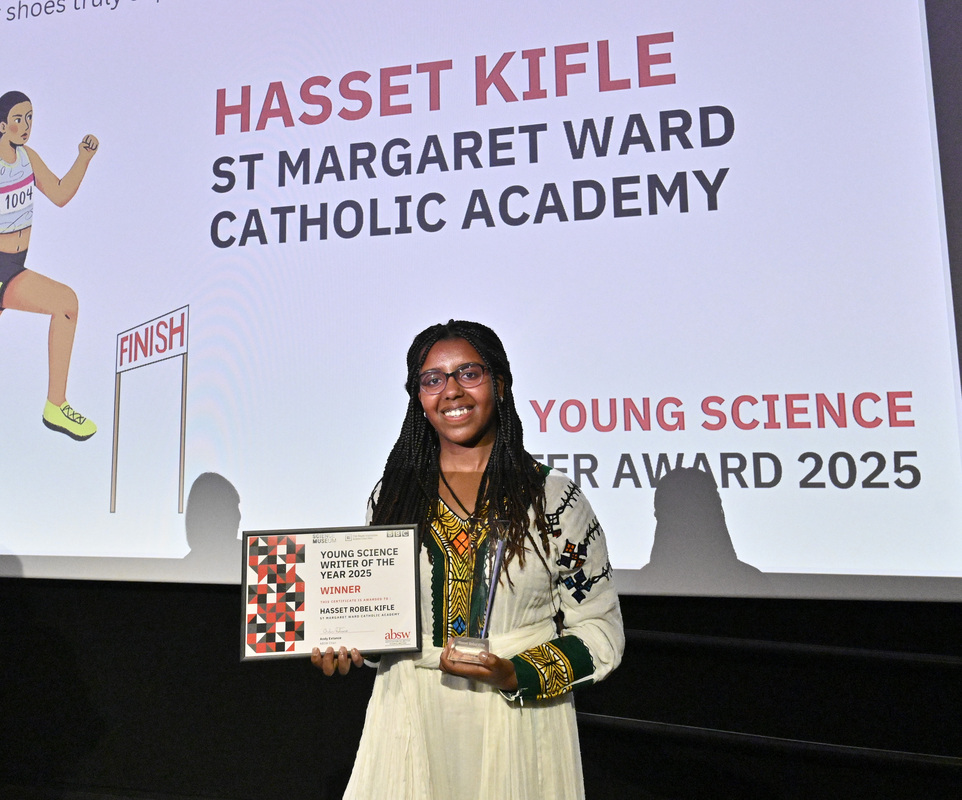
Modern distance running has entered a new era, one where carbon plates, high-stack foams, and “super shoes” may be shifting the boundary between athletic ability and engineered advantage. This essay explores the evidence that footwear can improve running economy, the controversy around “technology doping,” and how governing bodies are responding with regulation. It also asks a deeper question: as records fall faster than ever, who or what, are athletes really competing against?
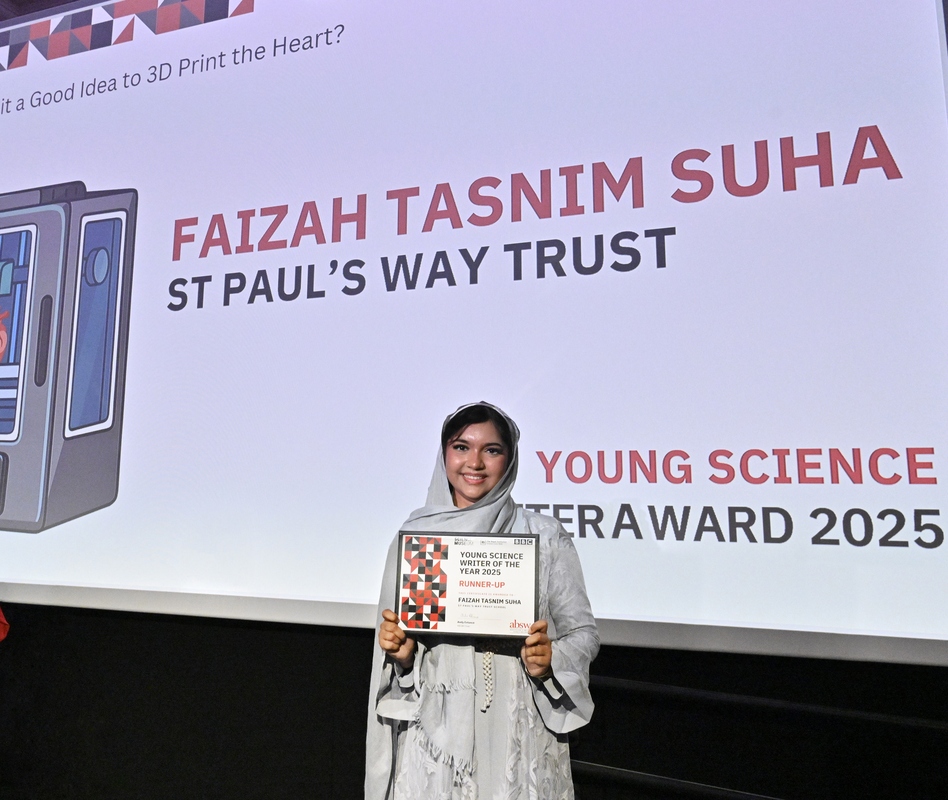
This essay uses coronary heart disease as a starting point to explore a striking question: could 3D-printed hearts help solve the shortage and risks associated with donor transplants? It explains, in accessible terms, how 3D bioprinting can layer cells and biomaterials to mimic heart structure and function, while weighing the practical barriers - complexity, cell supply, cost, and clinical readiness. The result is a balanced argument about where the technology may genuinely save lives and where its limitations still matter.
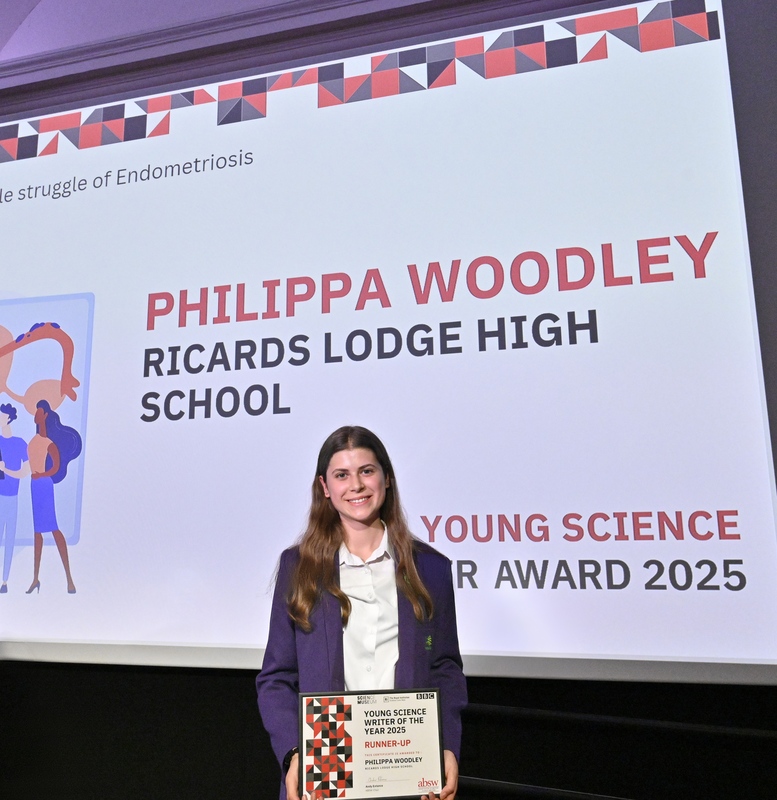
Endometriosis affects millions worldwide, yet it remains widely misunderstood and too often dismissed - especially for young people seeking help. This essay explains what endometriosis is, outlines its symptoms and current treatment options, and uses a powerful personal account to highlight the real-life costs of delayed diagnosis and inadequate pain management. It closes with a clear call for greater awareness, faster pathways to diagnosis, and more serious recognition of patients’ experiences.
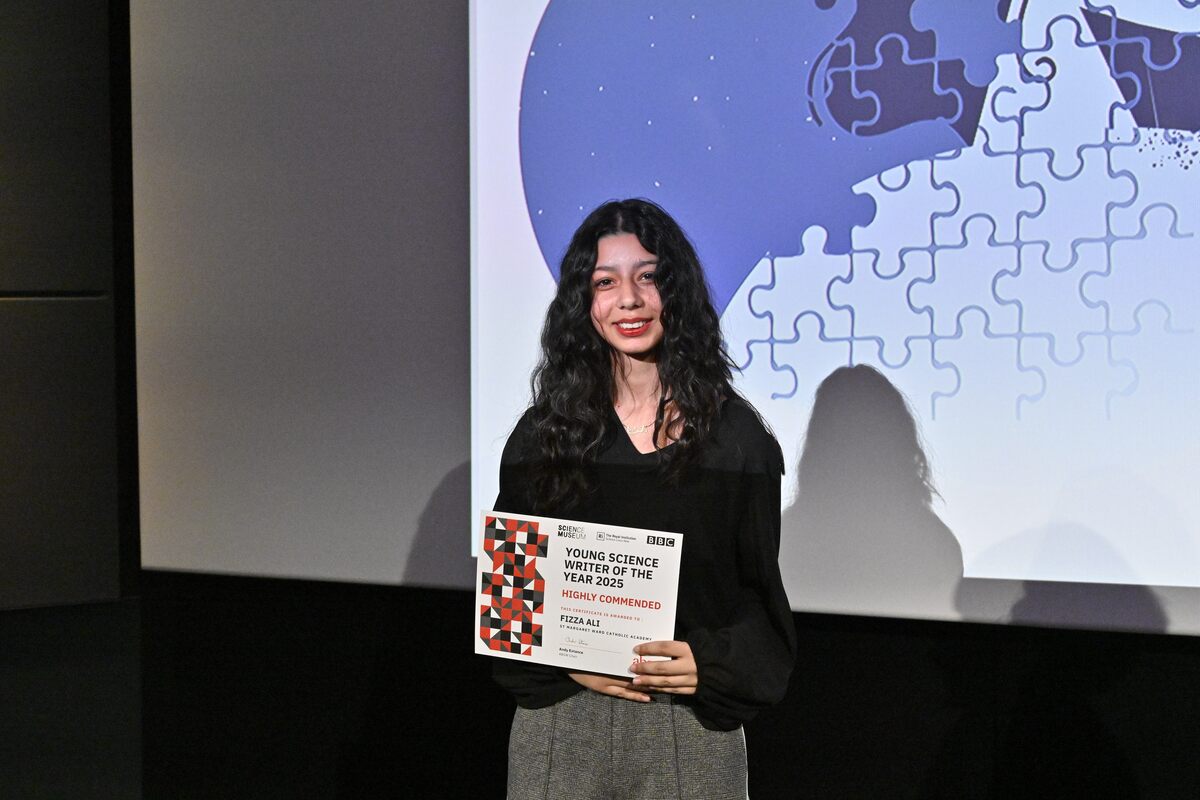
This essay challenges the stereotype that people with schizophrenia are inherently “dangerous” by explaining the condition through a clear scientific lens. It outlines positive and negative symptoms, explores leading biological theories involving dopamine and glutamate signalling, and considers how genetics and environment can interact to shape risk. The piece closes by emphasising that, with appropriate treatment and support, schizophrenia can be managed - and that education is essential to reducing stigma.
With hundreds dying each year while waiting for transplants, this essay examines whether xenotransplantation - using animal organs, particularly from pigs - could help address the donor shortage. It weighs the scientific promise of gene editing and rejection-reduction strategies against major risks, including zoonotic infection (such as concerns around PERV), long-term monitoring, and complex ethical and psychological questions. The result is a balanced argument for cautious progress, stronger regulation, and responsible public debate as the science advances.
This essay asks whether the world is on track to prevent climate change becoming irreversible by 2030, and explains why cutting emissions quickly is central to keeping warming near 1.5°C. It summarises the aims of the Paris Agreement, highlights where national pledges are falling short, and points to the scale of expected health and economic impacts if action is delayed. The piece closes by arguing that individual choices still matter - especially when combined with stronger political and corporate accountability.
Drawing on both personal experience and published research, this essay argues that green spaces support mental health in ways that go beyond “fresh air and exercise.” It explores evidence that even viewing nature can reduce stress and improve recovery after mental strain, while also considering additional benefits linked to sound and scent in biodiverse environments. The piece concludes with a clear case for protecting urban nature as part of safeguarding public wellbeing.
Why does the immune system sometimes treat harmless substances like dangerous invaders - and can new technology improve how we manage allergies? This essay explains the biology of allergic reactions (including histamine-driven inflammation and anaphylaxis), outlines current treatments such as epinephrine auto-injectors and common medicines, and then explores emerging approaches like antibody therapy alongside oral immunotherapy. It finishes by proposing a future-facing idea: long-acting implant-style delivery systems that could reduce reliance on frequent dosing and improve adherence.
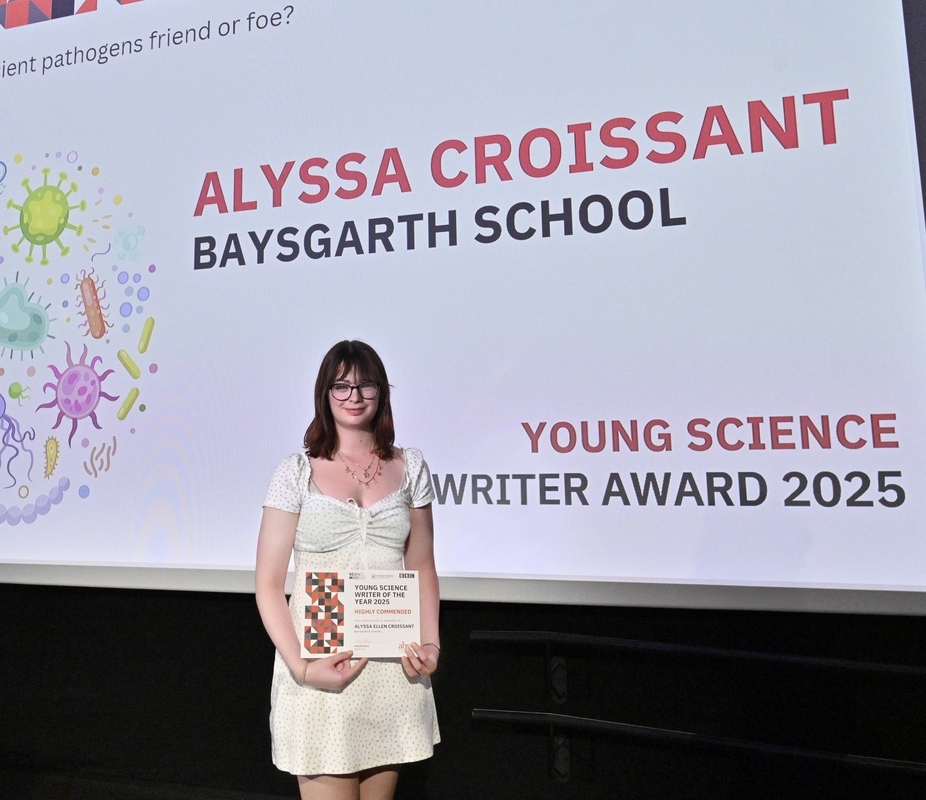
As permafrost and ancient ice melt, scientists are beginning to uncover (and in some cases revive) microbes and viruses that have been frozen for tens of thousands of years. This essay explores the dual-edged risk: the possibility of novel outbreaks as dormant pathogens re-emerge, versus the potential scientific benefits - improving our understanding of disease evolution and informing future vaccines. It frames the issue as a modern consequence of climate change, asking whether these “old” pathogens will become a new threat or an unexpected tool for public health.
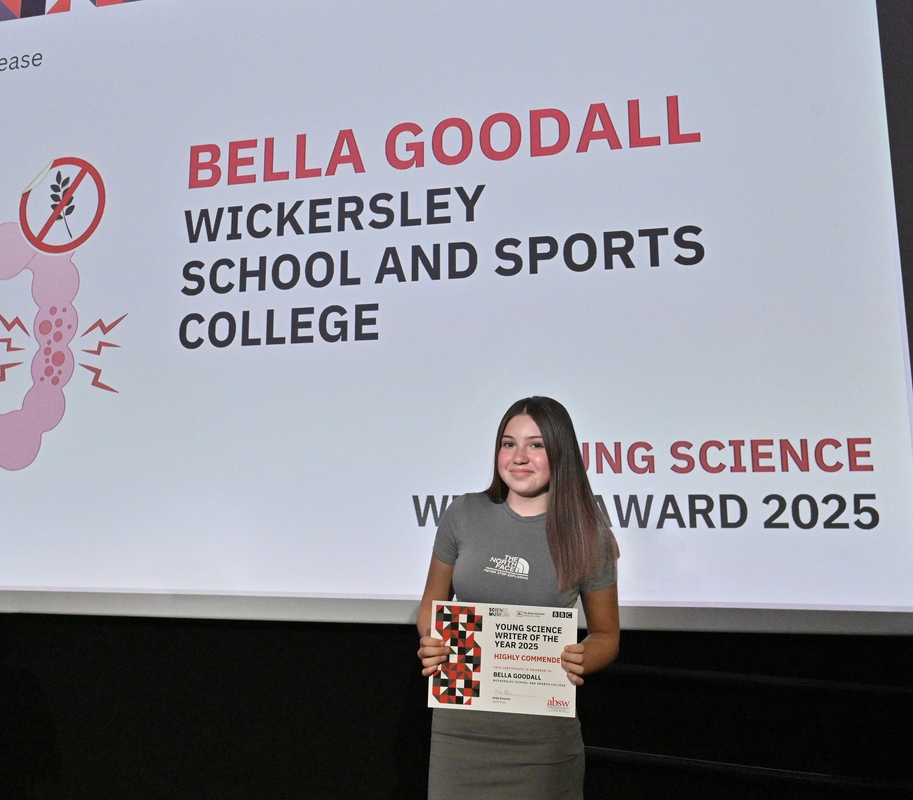
Coeliac disease affects around 1 in 100 people worldwide, yet many remain undiagnosed and the condition is often poorly understood. This essay explains the autoimmune reaction to gluten, how intestinal damage can reduce nutrient absorption, and why a strict gluten-free diet - though effective - can be socially and financially challenging. It also considers emerging research into treatments that might reduce harm from accidental gluten exposure, alongside a short interview that brings the everyday realities into focus.
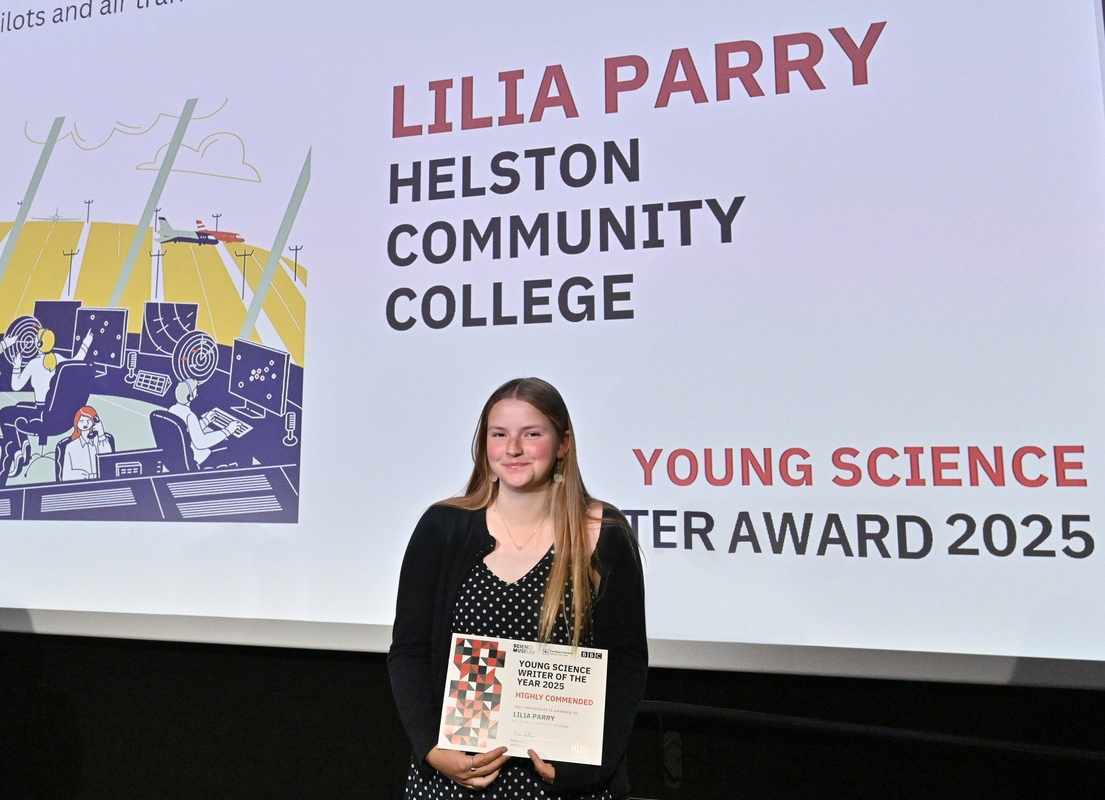
This essay examines whether increasing automation could reduce aviation risk by removing human error from cockpits and control towers - while also questioning what might be lost when human judgement is taken out of the loop. Using landmark incidents (including Tenerife and the “Miracle on the Hudson”) alongside recent high-profile crashes, it weighs safety, efficiency, environmental impacts, and public trust. The argument lands on a clear conclusion: the technology is advancing rapidly, but confidence, regulation, and edge-case decision-making remain decisive barriers.
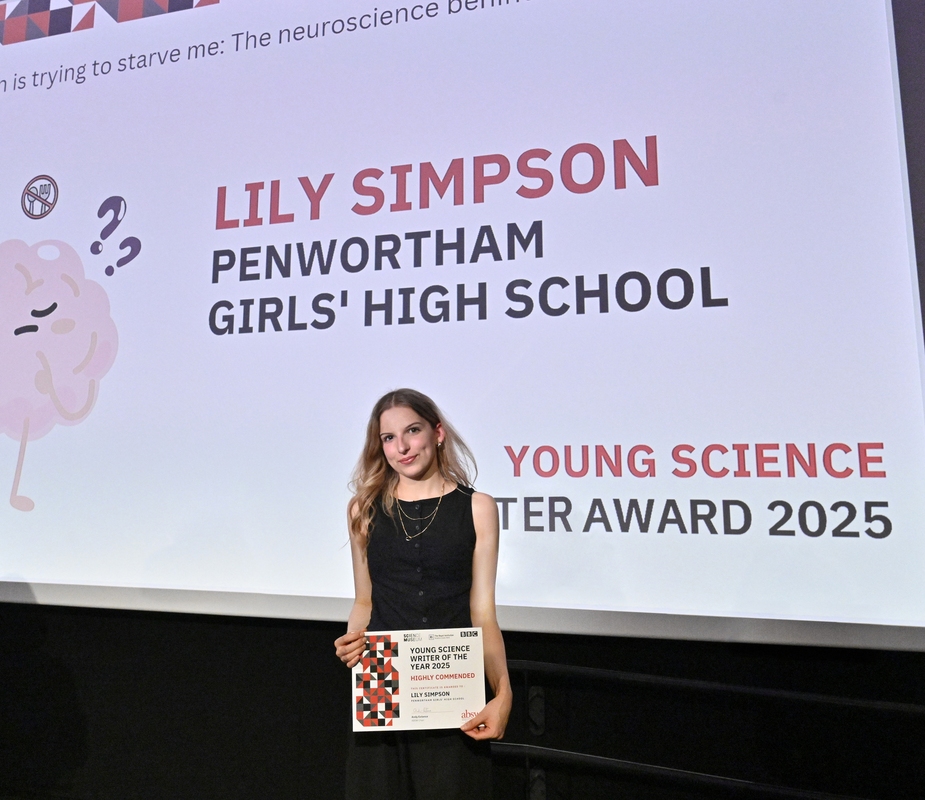
Blending personal reflection with accessible neuroscience, this essay challenges the misconception that anorexia is simply “willpower” and explores how changes in brain chemistry and reward pathways can reinforce starvation. It introduces evidence on dopamine and hormonal dysregulation, considers genetic and hereditary risk factors, and argues that recovery cannot rest on the individual alone. The piece closes with a clear call for greater research investment and a more compassionate public understanding of eating disorders.
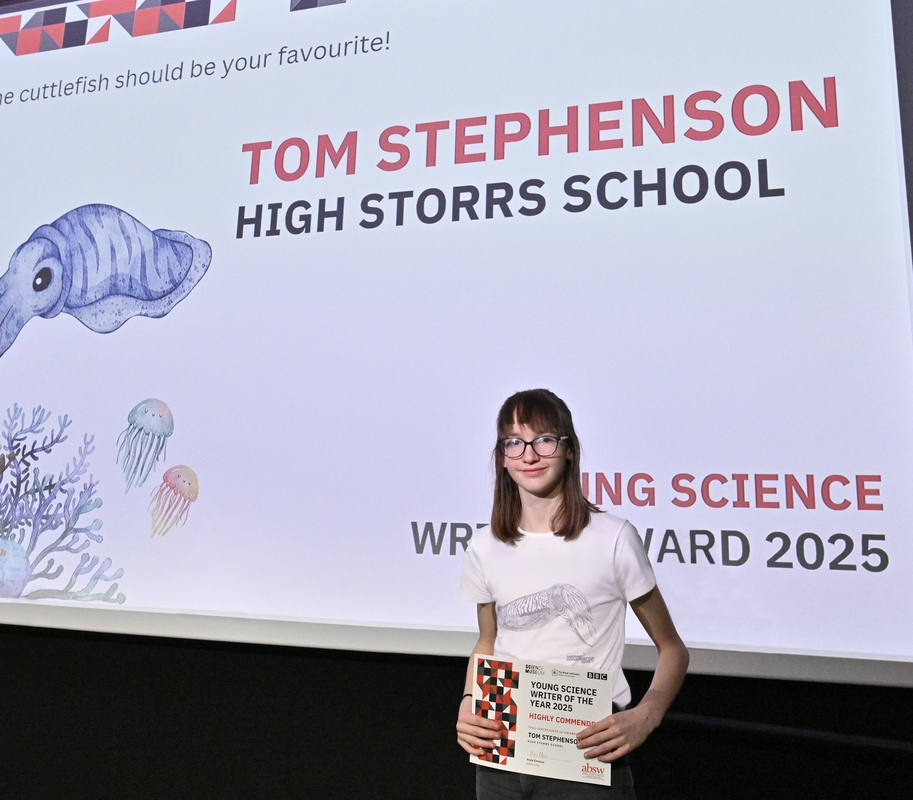
This lively essay makes the case that cuttlefish are among the ocean’s most remarkable innovators - masters of camouflage, communication, and precision hunting. It explains how cuttlefish can detect polarised light despite being colourblind, use hypnotic “passing cloud” patterns to approach prey, and deploy ink as both smokescreen and decoy. The piece culminates with the cuttlebone: a sophisticated internal structure that enables buoyancy control, strength, and even species identification.