Young Science Writer Award 2024
The 2024 Young Science Writer Award highlighted insight, clarity and strong scientific storytelling from young writers.

The Young Science Writer Award 2024 showcased the breadth of talent and curiosity among young writers across the UK. This year’s entrants brought science to life with essays that were thoughtful, well-researched, and ambitious in scope - demonstrating that strong science writing can be both rigorous and genuinely engaging.
Across the submissions, pupils tackled big questions and emerging ideas, blending evidence with clear explanation and a strong sense of audience. From health and technology to the environment and the physical sciences, the 2024 competition highlighted how effectively young people can translate complex science into writing that informs, challenges, and inspires.
This page celebrates our 2024 finalists. Each essay featured here stood out for originality, clarity, and the ability to communicate science with confidence and purpose. We extend our warmest congratulations to the finalists and our sincere thanks to every pupil who entered - your curiosity and voice are what make this award possible.
The 2024 finalists and winners were celebrated at the Royal Institution in London, as part of our annual awards ceremony recognising outstanding young science writing.
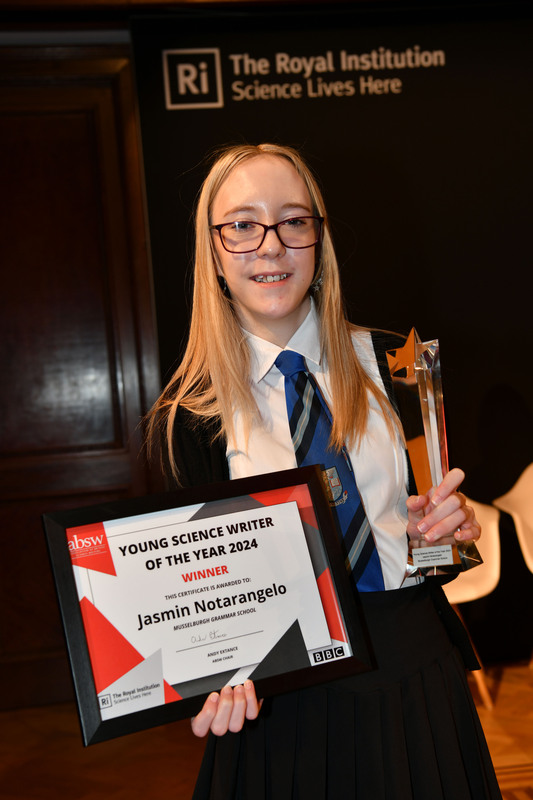
Type 1 diabetes can’t be cured -only managed - and this essay argues that insulin pumps may offer a more flexible and less intrusive alternative to multiple daily injections. It explains how pumps deliver a continuous background dose, why that can better fit unpredictable schedules, and how pumps may reduce the physical burden of frequent injecting. The piece also weighs limitations and cost barriers - particularly restricted NHS access - before concluding that more people should be able to choose the treatment option that helps them thrive.
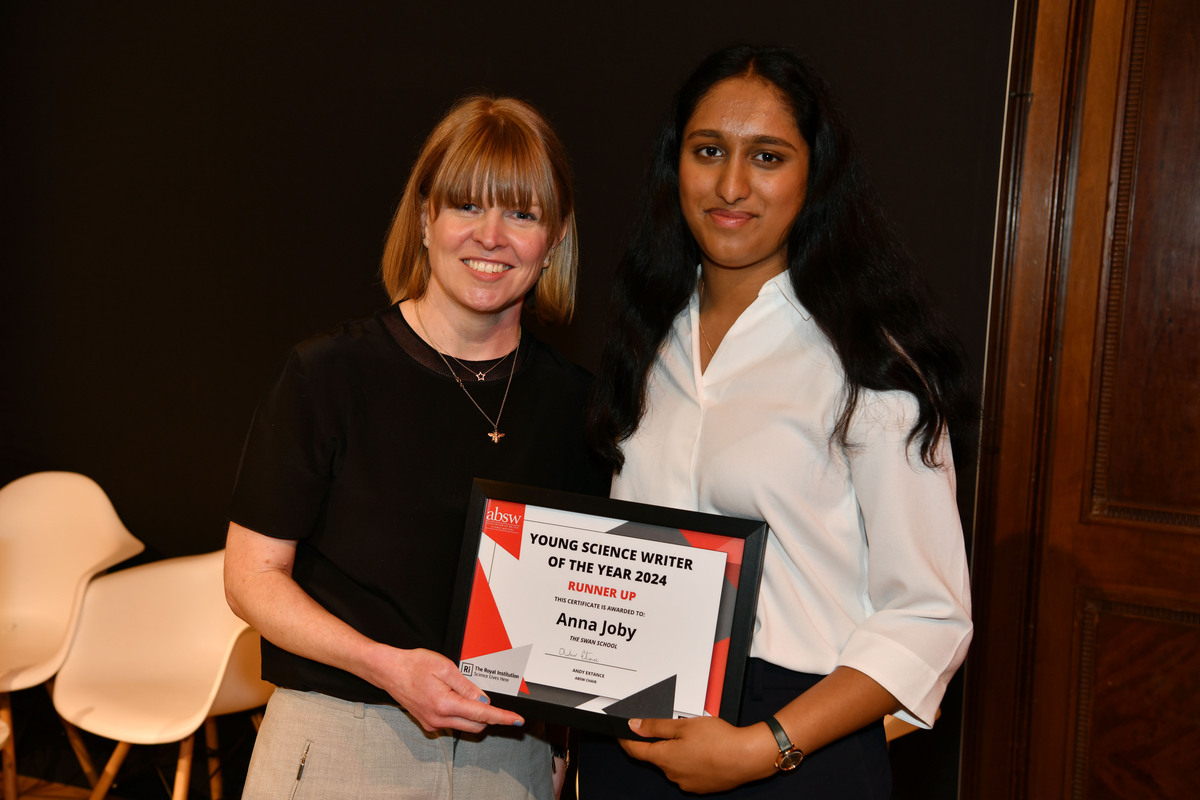
This essay argues that light pollution is far more than a lost view of the stars - it is a growing environmental and public health issue. It explains how artificial night lighting disrupts human circadian rhythms (including melatonin suppression) and contributes to ecological harm, from disoriented sea turtle hatchlings to wider impacts on nocturnal wildlife. The piece concludes by weighing the benefits of lighting for safety and productivity against the urgent need for smarter, less damaging illumination.
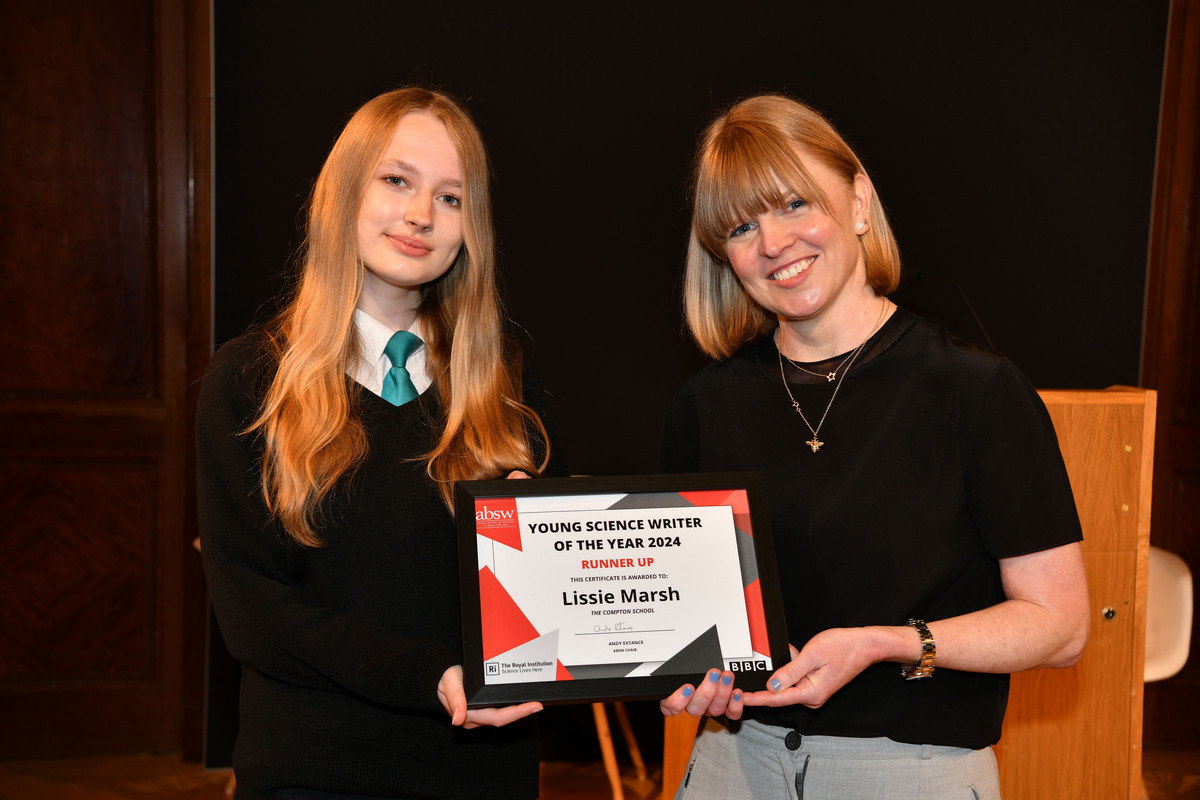
Electric cars can reduce exhaust emissions, but this essay argues they do not solve a lesser-known pollution problem: microplastics from tyre wear. It explains how tyre particles and their chemical additives enter waterways through road runoff, highlighting evidence that the tyre-derived compound 6PPD-quinone has been linked to high mortality in Coho salmon in urban streams. The essay ends with solutions - from redesigning tyres and capturing particles at source to reducing car use for short journeys.
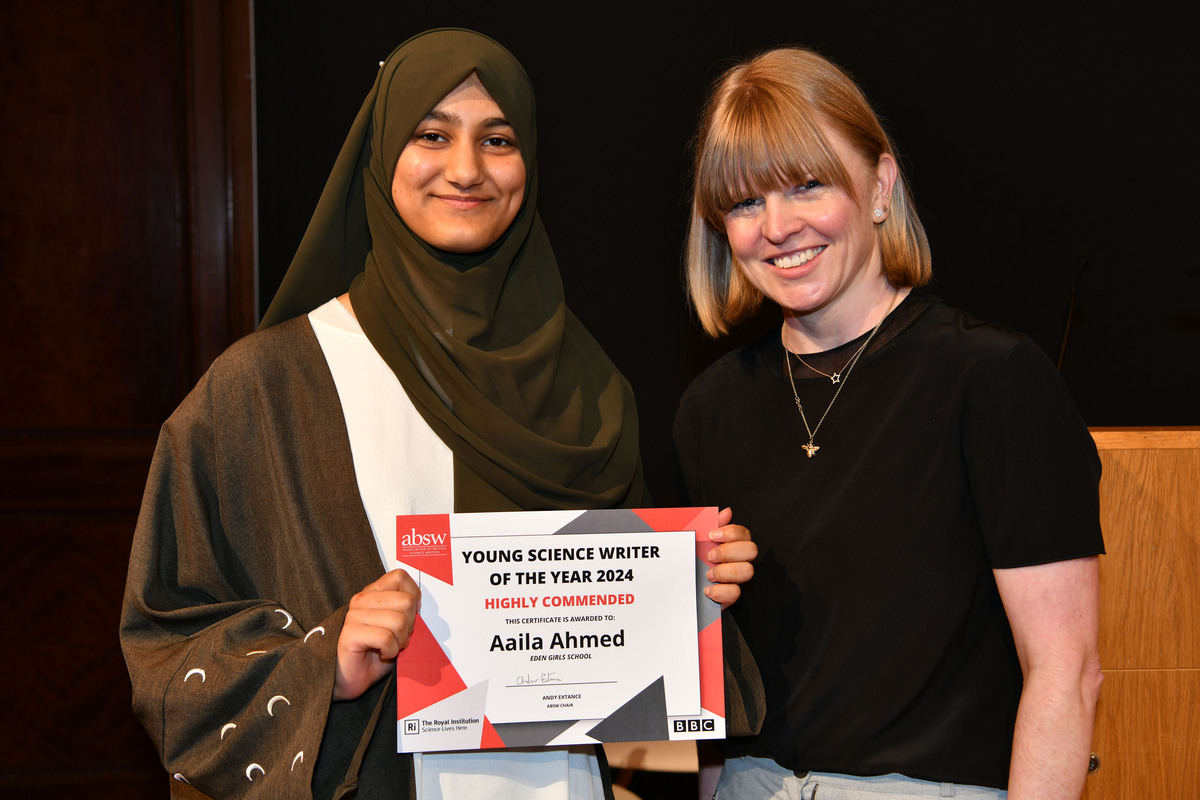
How can a tiny shrimp produce a flash of light underwater? This essay explains “shrimpoluminescence” through the physics of sonoluminescence - where a rapidly collapsing cavitation bubble emits light - triggered by the pistol shrimp’s famously powerful claw snap. It links this natural spectacle to wider scientific curiosity, from understanding extreme pressures and temperatures to potential applications in imaging and energy research, while noting that the biological purpose of the light itself is still debated.
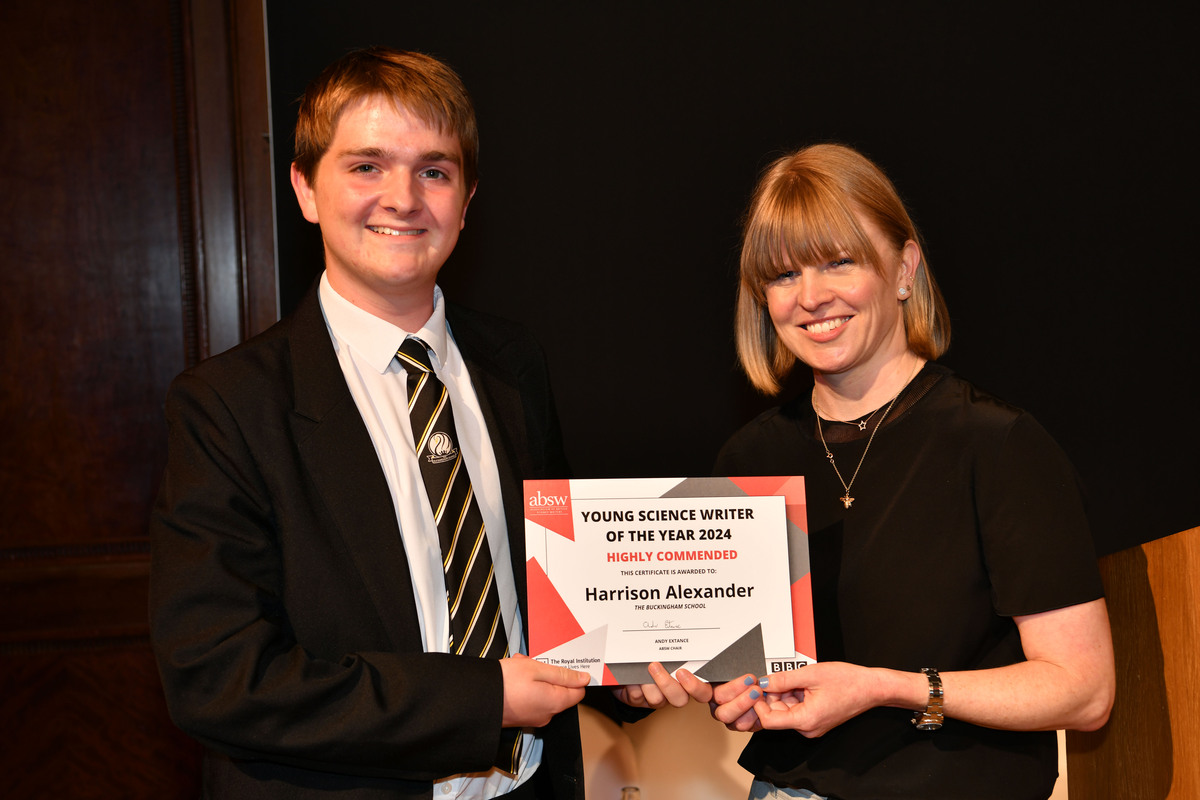
As global energy demand rises and fossil fuels remain finite, this essay asks whether the next leap in clean power could come from space. It explores space-based solar power - including Caltech’s Space Solar Power Demonstrator and ambitions from agencies such as JAXA and ESA -highlighting why collecting sunlight above Earth’s atmosphere could provide near-continuous energy. The piece balances this optimism with practical constraints, from launch costs to space debris, before looking further ahead to visionary concepts like a Dyson sphere.
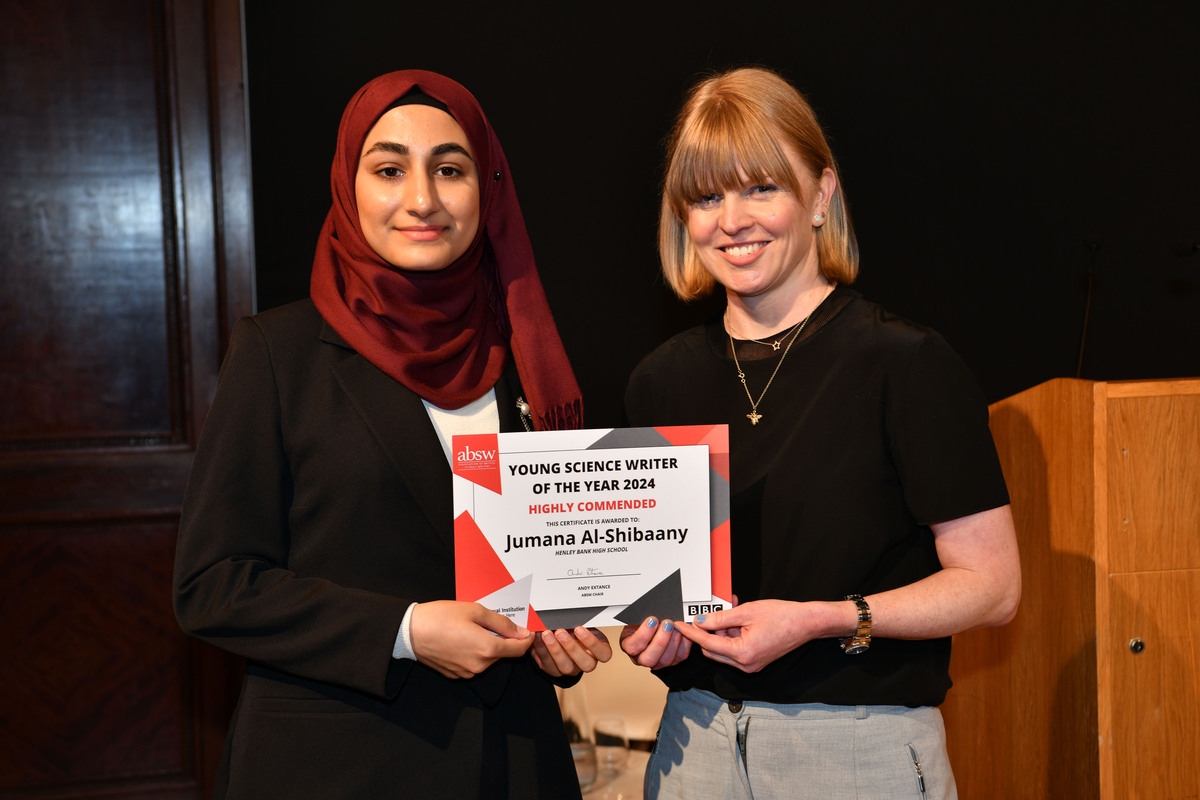
This essay explores how artificial intelligence is reshaping healthcare - from faster image analysis in radiology to earlier detection of disease and more personalised treatment. It balances the promise of improved outcomes and efficiency with clear concerns about bias, data privacy, and the need for transparent, ethical policymaking. The central argument is that AI can be a powerful clinical “assistant,” but only if it is governed responsibly and evaluated for fairness.
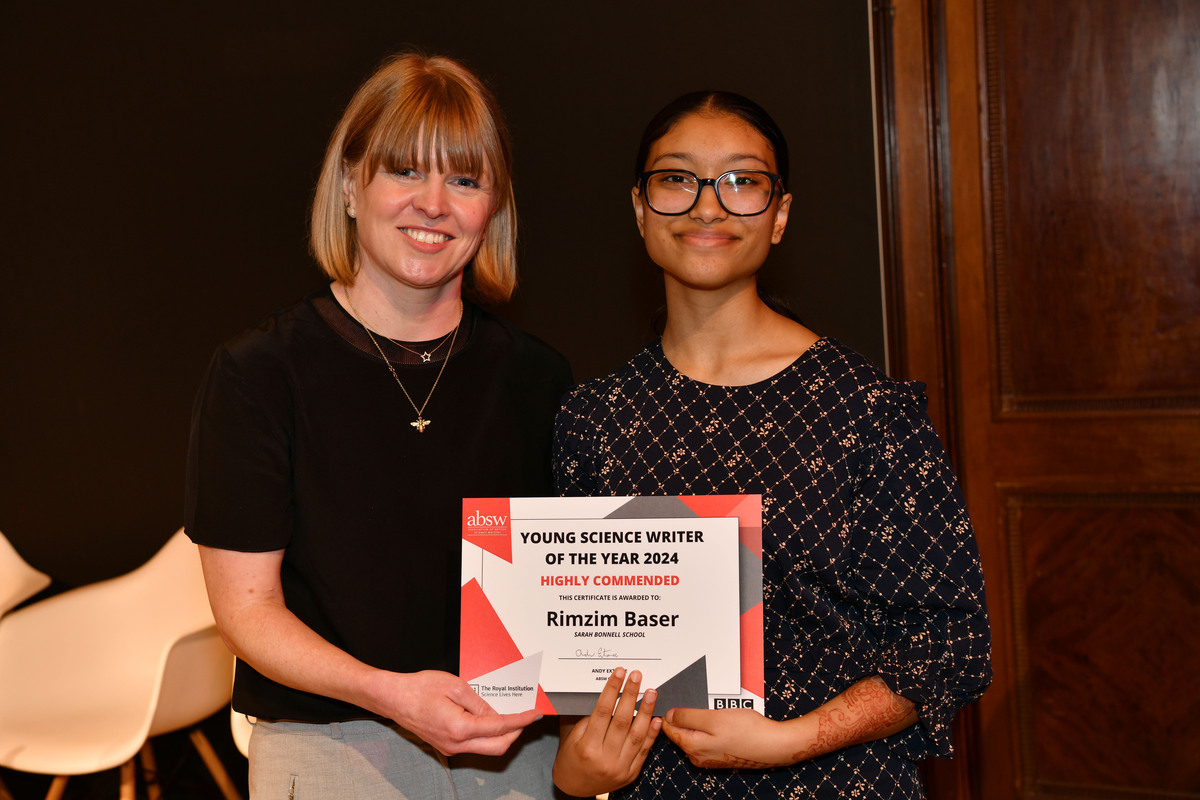
This essay introduces gene therapy as a transformative approach that targets the root cause of disease by replacing, inactivating, or adding genes inside a patient’s cells. It explains why this differs from treatments that only manage symptoms, and highlights real-world examples - from early SCID (“bubble boy”) therapy to modern CAR T-cell treatments for cancer - alongside emerging possibilities in heart and neurological conditions. The piece concludes by weighing the promise of personalised, long-term solutions against practical challenges such as safe gene delivery and potential unintended effects.
This essay argues that the story of the platypus is also a story about science - how curiosity can dispel myth, yet still deepen our sense of wonder. Moving from First Nations storytelling to early European naturalists, it reveals the genuinely extraordinary biology of the platypus (from electroreception and egg-laying to venom and “milk sweat”). The piece ends with a clear warning: as climate change threatens habitats, we may need to “reclaim the magic” of nature to protect it before it becomes legend.
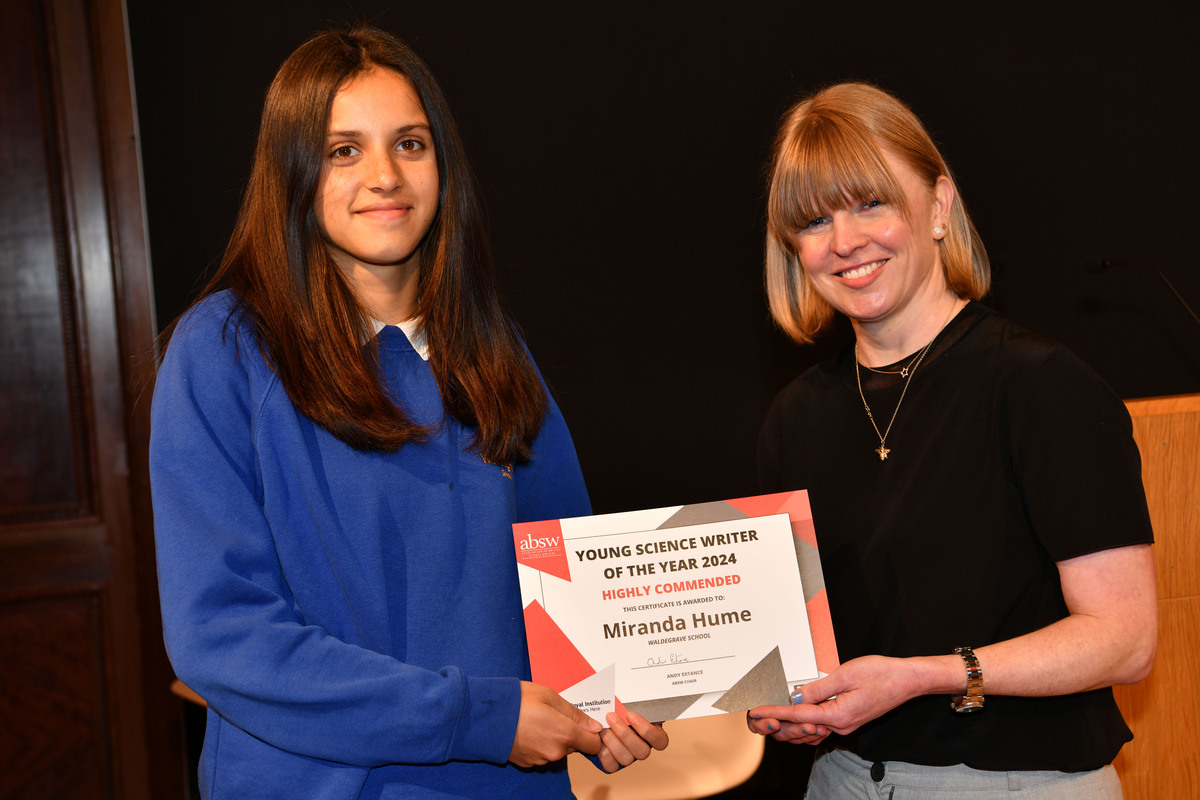
Anchored in a personal family connection to a beach house in Mauritius, this essay charts the author’s shock at seeing a once-vibrant coral reef now badly degraded. It explains coral bleaching in clear terms, shows why warming seas are pushing reefs towards collapse, and highlights the knock-on impacts for biodiversity, dolphins, fisheries, and tourism. The piece ends with a direct call to action, arguing that protecting coral reefs is inseparable from tackling climate change.
With ultra-processed foods now easier than ever to buy, this essay asks what we trade for convenience - and what we gain by returning to “real” ingredients. It explores how additives and preservatives may affect the gut microbiome and wider health, linking diet to cognition, mood, and long-term disease risk. The piece ends with a practical message: aim for balance and better choices where possible, while recognising that affordability can make “clean eating” harder than it sounds.
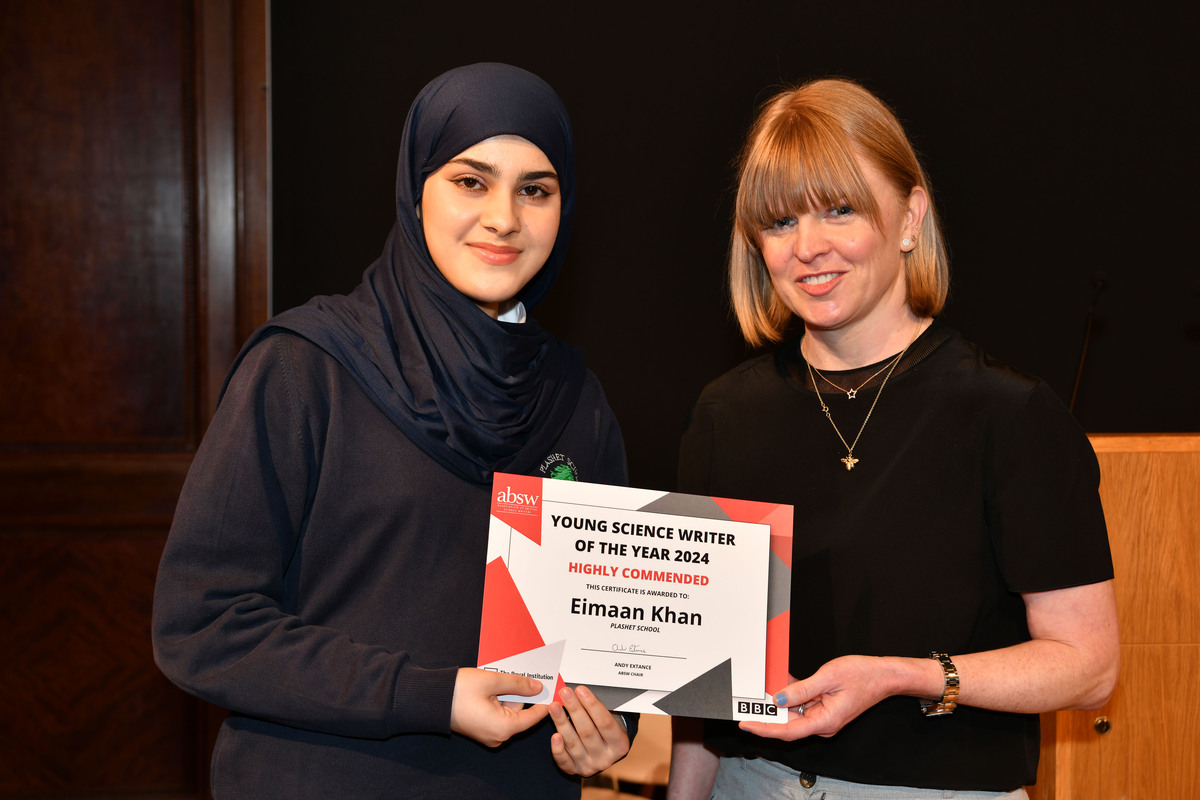
This essay argues that sleep is not optional downtime but an evolved biological necessity that protects both brain and body. It explains the stages of sleep (NREM and REM), linking them to memory, emotional regulation, and health, and shows how modern life can disrupt circadian rhythms. Using vivid examples - including extreme sleep deprivation - it makes a clear case that chronic sleep loss can damage cognition, mood, immunity, and long-term wellbeing.

Starting with Sputnik and the dawn of the space age, this essay argues that satellites are extraordinary achievements - but our increasingly crowded orbit is becoming a dangerous legacy. It explains how collisions and fragmentation create space debris that can threaten vital missions like major telescopes, and it questions whether inconsistent regulation is allowing avoidable risk to grow. The piece ends with a powerful call for responsibility: if we treat Earth with care, should we not extend that same respect to the space around it?
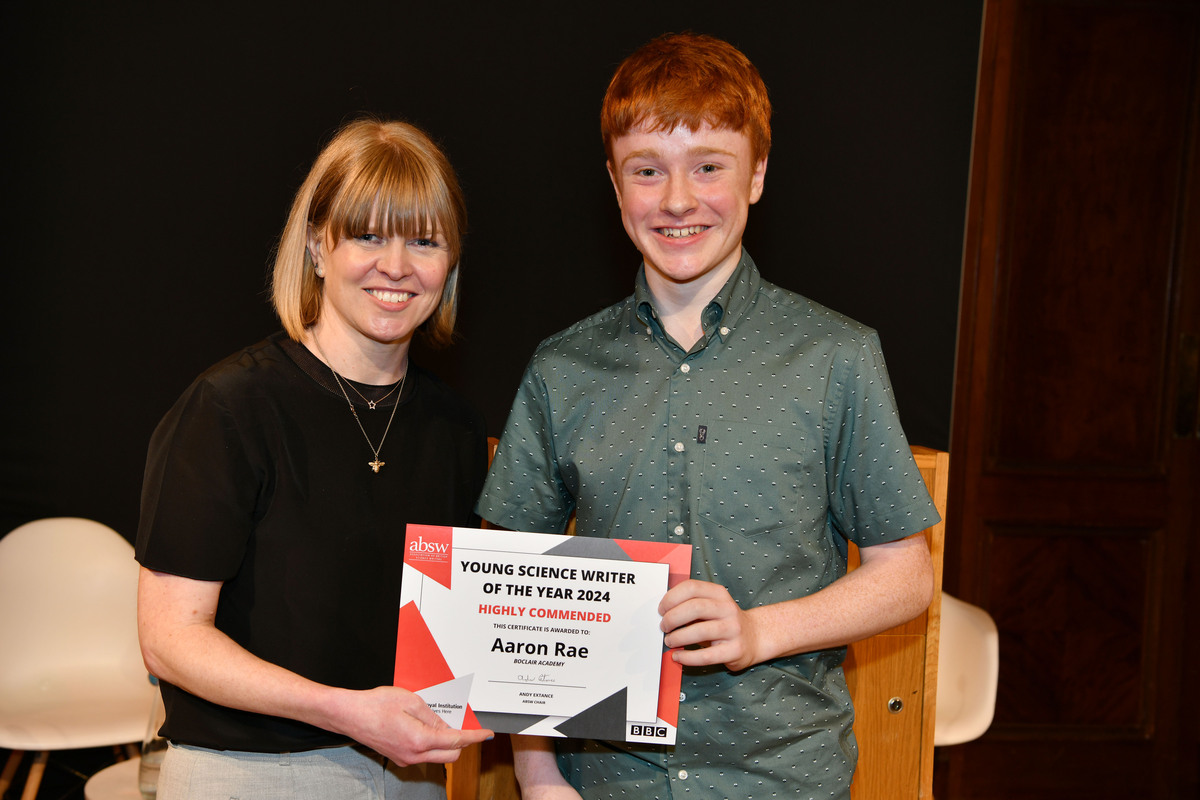
As AI spreads rapidly into everyday technology, this essay asks how we can prevent human prejudice from being reproduced - and amplified - by the systems we build. Using examples from psychology (including Kenneth and Mamie Clark’s “doll test”) and real-world healthcare algorithms, it explains how bias can emerge not only from coding choices but from the data and incentives surrounding AI. The piece concludes with a clear proposal: stronger global policy focused on collaboration, rigorous testing, transparency, and equity so that AI supports a fairer future rather than reinforcing existing injustice.


